In the realm of industrial applications, Synchronous Motors have emerged as a robust solution for enhancing efficiency and reliability. According to a recent report by the International Electrotechnical Commission, the global market for synchronous motors is expected to reach $18 billion by 2025. This growth highlights their increasing importance in various sectors, including manufacturing and energy.
Dr. Emily Carter, a well-known expert in electric motor technology, states, "Synchronous motors provide precise speed control and high efficiency, making them indispensable for modern industrial systems." This versatility makes them appealing for applications that demand robust performance. Industries can benefit from their ability to maintain speed under varying loads, ensuring operational continuity.
Companies implementing synchronous motors often notice a reduction in energy consumption. However, transitioning to these motors can present challenges. Proper configuration and integration require skilled engineers and substantial upfront investment. Therefore, it is crucial for businesses to weigh these factors carefully before making a decision.
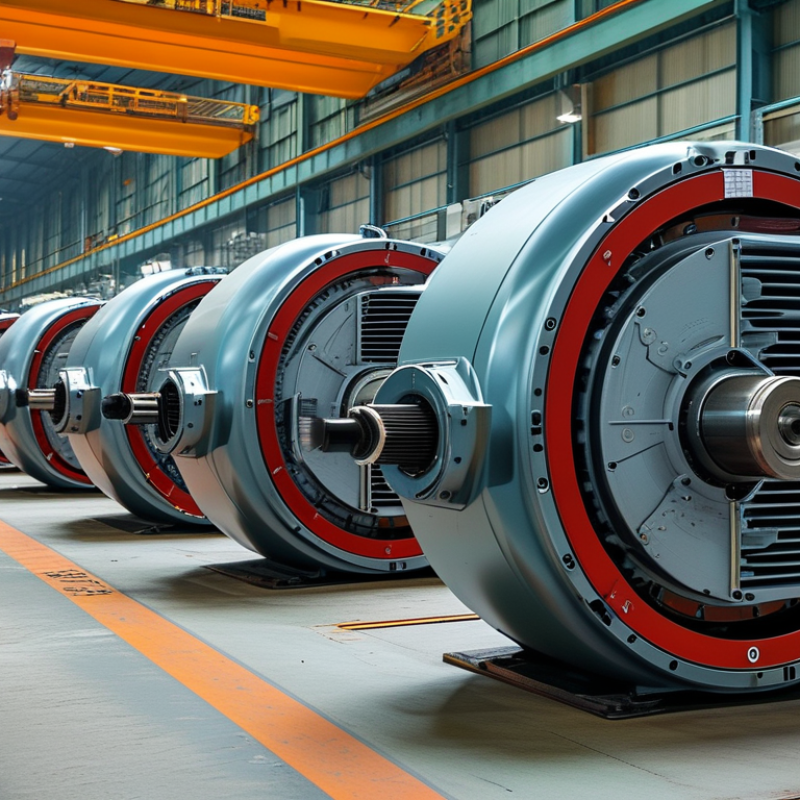
Synchronous motors are gaining popularity in industrial settings for their unique functionality. Unlike induction motors, synchronous motors operate at a constant speed, which is directly tied to the frequency of the power supply. This feature is critical for applications requiring precise speed control. According to a report by the International Energy Agency, synchronous motors can achieve efficiency levels of up to 95%. This high efficiency translates into lower energy costs, making them an attractive option for large-scale operations.
Moreover, synchronous motors are known for their ability to provide a leading power factor. This characteristic can significantly reduce the demand charges on industrial electricity bills. A study by the Electric Power Research Institute indicated that integrating synchronous motors can lead to a 10% reduction in overall energy consumption in specific applications. However, careful consideration is necessary when implementing these motors. Their complexity and need for more sophisticated control systems may pose challenges, especially in retrofitting existing equipment.
Additionally, synchronous motors often come with higher initial costs compared to their induction counterparts. Despite this, their long-term operational savings can justify the investment. Nevertheless, it's crucial for facilities to evaluate their specific needs and consult with experts before transition. The decision to switch should be backed by a robust analysis of performance data and operational requirements.
Synchronous motors are increasingly favored in industrial applications due to their distinct advantages. One key benefit is their high efficiency. These motors operate at a constant speed, which makes them ideal for processes requiring precision. Industries such as manufacturing and mining can leverage this efficiency to reduce energy consumption and operational costs. Imagine a facility running multiple assembly lines with heavy loads. A synchronous motor can significantly enhance productivity and reliability in such settings.
Another advantage is their ability to maintain power factor levels. Synchronous motors can correct lagging power factors, thereby improving the overall electrical efficiency of industrial systems. This feature is crucial in settings where energy management is a priority. For instance, a factory experiencing power quality issues can benefit substantially from implementing synchronous motors. They typically come with a higher upfront cost. However, the long-term savings and operational benefits often outweigh this initial investment.
Synchronous motors also have a limited speed range, which can be a drawback in some applications. This limitation requires careful consideration during selection. Industries might face challenges if they need variable speed operations. Nevertheless, their robust construction and ability to handle heavy loads are undeniable advantages. In conclusion, the choice of synchronous motors should align with specific industrial needs and operational goals.
Synchronous motors play a vital role in various industrial applications. They are widely used in manufacturing plants, where precise speed control is essential. These motors operate in sync with the supply frequency. This characteristic ensures consistent performance in processes like conveyor systems and assembly lines. Many industries rely on this accuracy for efficient operations.
In power generation, synchronous motors are crucial. They help in maintaining the stability of electrical grids. Their ability to operate at leading power factors contributes to better overall efficiency. Additionally, industries such as mining and marine benefit from synchronous motors. They are well-suited for high torque applications, delivering reliable performance under challenging conditions.
However, it is important to reflect on the limitations of synchronous motors. They require a starting mechanism, which can complicate installation. Furthermore, their higher initial costs may deter some businesses. It's critical for industries to weigh these factors against the potential efficiency gains. Understanding both the advantages and drawbacks helps in making informed decisions for specific applications.
Synchronous motors have become increasingly popular in industrial settings due to their efficiency and reliability. They maintain a constant speed regardless of load variations. This attribute makes them ideal for applications requiring precise control. Industry reports indicate that synchronous motors can achieve efficiencies of up to 95%, outperforming many traditional motor types.
When compared to asynchronous motors, synchronous motors provide better power factor correction. They can operate at leading, unity, or lagging power factors. This trait enhances overall system efficiency and reduces energy costs. A survey by the Electric Power Research Institute (EPRI) revealed that industries choosing synchronous motors reported energy savings of up to 30% annually.
However, synchronous motors do present challenges. Initial installation costs are higher compared to other motor types. Additionally, they require a more complex control system. Maintenance can also be more demanding. Industry experts emphasize the importance of weighing these factors against the benefits to determine suitability for specific applications. Understanding the operational environment is crucial. Each business must consider its unique needs when selecting the appropriate motor type.
Choosing the right synchronous motor for industrial applications involves several critical factors. Understanding these can enhance performance and efficiency. Power requirements are paramount. Assess the load demands and the torque characteristics before selecting a motor. Correct sizing leads to optimal operation and energy savings.
Another vital consideration is the operating environment. Harsh or variable conditions may necessitate special motor features. Look for motors with protective enclosures to withstand dust, moisture, and extreme temperatures. This ensures longevity and reliability in demanding settings.
**Tip**: Always involve an expert engineer during your selection process. Their insights can prevent costly mistakes caused by miscalculations.
Lastly, evaluate control systems compatibility. Synchronous motors require precise control for efficient operation. Ensure your existing systems can handle these motors or be prepared to upgrade.
**Tip**: Test motors under real-world conditions. This can reveal potential challenges before deployment. Seeking feedback from teams who will operate the motors can also provide valuable insights. Select wisely to maximize your operational efficiency.
: They maintain a constant speed, which is vital for precise control in applications.
Synchronous motors can achieve efficiencies of up to 95%, outperforming many traditional motor types.
Synchronous motors provide better power factor correction, enhancing overall system efficiency.
Yes, industries report energy savings of up to 30% annually by using synchronous motors.
They have higher initial installation costs and require a complex control system.
Harsh conditions may require special features, ensuring longevity and reliability under stress.
Yes, involving an expert can prevent costly mistakes due to miscalculations.
Test motors under real-world conditions to identify potential challenges.
Correct sizing improves operation and can lead to energy savings.
Their insights can help address practical challenges and enhance selection decisions.
Synchronous motors are increasingly being chosen for industrial applications due to their unique functionality and efficiency. These motors operate at a constant speed, synchronized with the supply frequency, making them ideal for processes requiring high precision and reliability. One of the key advantages of synchronous motors is their ability to provide a stable output under varying load conditions, leading to enhanced performance and reduced energy consumption in industrial settings.
In addition to their operational benefits, synchronous motors are versatile and can be found across various industries, including manufacturing, mining, and power generation. When selecting a synchronous motor, factors such as torque requirements, efficiency ratings, and installation constraints must be considered, especially when comparing them to other motor types. Overall, the distinct features of synchronous motors make them a favorable choice for many industrial applications.
