Choosing the right AC Motor for your specific application is crucial. According to a market analysis by Research and Markets, the global AC motor market is expected to reach $48.2 billion by 2027, driven by increasing industrial automation and energy efficiency demands. Selecting the appropriate AC Motor impacts not only performance but also energy consumption, reliability, and maintenance costs.
Expert Alan Cooper, a renowned authority in electric motor engineering, stated, "The right AC Motor can dramatically enhance operational efficiency." This illustrates the responsibility engineers face when making choices in motor applications. Many applications may overlook critical factors during motor selection. For instance, mismatched efficiency ratings or unsuited torque specifications can lead to performance failures.
A well-informed decision on AC Motor selection can prevent costly downtime and unscheduled maintenance. Each application demands a tailored approach, considering load types, environmental conditions, and power supply restrictions. Reflecting on motor specifications can lead to more sustainable practices.
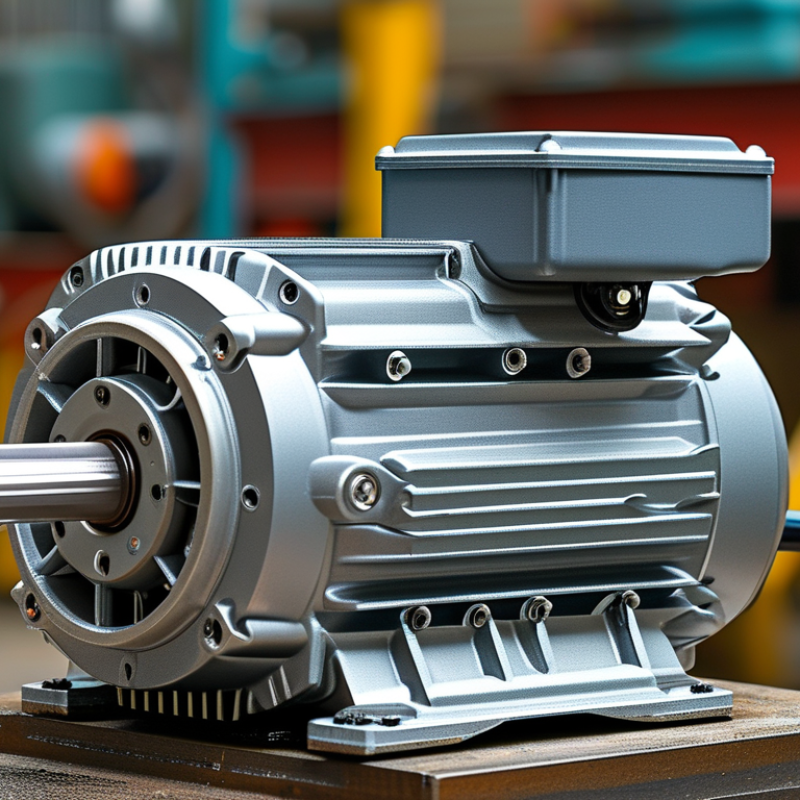
Understanding the Basics of AC Motors and Their Types
AC motors are essential for various applications. They come in different types, each suited for specific needs. Understanding these types helps in selecting the right motor for your project.
Induction motors are the most common. They operate by inducing current through magnetic fields. This makes them reliable and simple to maintain. However, they may not perform well at variable speeds. In contrast, synchronous motors offer better speed control. They run at a constant speed under varying loads. This feature can be crucial for precise applications.
Another type is the permanent magnet motor. It is efficient and compact. Businesses often prefer it for limited spaces. Yet, they can be more expensive. Decisions based on performance, cost, and space are critical. Evaluating these factors ensures a suitable choice. There are many aspects to consider. The final choice may need tweaking based on real-world performance.
How to Choose the Right AC Motor for Your Application?
This chart illustrates the distribution of different types of AC motors commonly used in various applications. Understanding these types can help in selecting the right motor for your needs.
Identifying Your Application Requirements and Constraints
When selecting an AC motor, understanding your application requirements is crucial. Start with the load type. The load will dictate the motor's torque and speed settings. For example, a constant torque load requires a different motor than a variable torque load. Reports indicate that over 30% of motor failures arise from not matching the motor to load characteristics.
Consider environmental conditions. Factors like temperature, humidity, and space can influence your choice. For industrial applications, a robust motor designed for harsh environments might be necessary. According to industry standards, 40% of motor inefficiencies may stem from operating in unsuitable conditions.
Tip: Always check the motor's
service factor. This indicates its ability to operate under overload conditions.
Evaluate energy efficiency as well. Motors can be a significant energy cost. According to the
U.S. Department of Energy, improving efficiency by just 1% can save businesses thousands annually. That said, balancing initial costs with long-term savings is vital.
Tip: Look into motors that meet the latest efficiency standards. Such choices can lead to improved performance and reduced operational costs.
Each application may present unique constraints, whether it’s size, budget, or performance standards. Consider documenting these constraints clearly before choosing a motor. This reflective process helps avoid costly mistakes in the future.
Evaluating Performance Specifications: Torque, Speed, and Efficiency
When selecting an AC motor, performance specifications like torque, speed, and efficiency play crucial roles. Torque defines the rotational force the motor can generate. Higher torque values are essential for applications requiring heavy lifting or rapid starts. Consider the required torque for your task. It may need deeper analysis on power needs.
Speed is another vital consideration. It influences how quickly your machine operates. Variable speed motors can adapt to demands, optimizing functionality. However, higher speeds may result in greater wear and tear. Balancing speed with durability is essential. Evaluate the operational environment; it may require adjustments in speed settings.
Efficiency impacts energy consumption and operational costs. An efficient motor consumes less power, yielding cost savings over time. However, achieving high efficiency often requires a trade-off with torque and speed. Weigh these factors carefully when making a choice. Reflecting on your specific needs can guide you in selecting the right motor. Try to avoid rushing the decision.
How to Choose the Right AC Motor for Your Application? - Evaluating Performance Specifications: Torque, Speed, and Efficiency
| Motor Type |
Torque (Nm) |
Speed (RPM) |
Efficiency (%) |
Application |
| Induction Motor |
30 |
1800 |
85 |
Pumps |
| Synchronous Motor |
50 |
1200 |
90 |
Cranes |
| Permanent Magnet AC Motor |
20 |
3000 |
95 |
Electric Vehicles |
| Stepper Motor |
2 |
400 |
80 |
Robotics |
| Universal Motor |
15 |
5000 |
75 |
Power Tools |
Considering Environmental Factors and Compatibility
When selecting an AC motor, environmental factors play a crucial role. Motors operate under various conditions—temperature, moisture, and dust levels can significantly affect performance. According to the International Electrotechnical Commission, about 25% of motor failures occur due to environmental stress. Choosing a motor with the appropriate ingress protection rating (IP rating) can mitigate risks. For instance, IP65 ratings provide excellent protection against dust and water, making them suitable for harsh environments.
Compatibility with existing systems is equally important. Engineers often overlook the need for motors to seamlessly integrate with other equipment. A report by the Electric Power Research Institute indicates that nearly 30% of equipment inefficiencies arise from compatibility issues. This could stem from mismatched voltages or frequencies. Assessing power supply characteristics before selecting a motor can prevent compatibility headaches that arise later.
Additionally, consider the energy efficiency of the motor. The U.S. Department of Energy states that improved efficiency can lead to up to a 40% reduction in energy costs. However, balancing efficiency with power output is not straightforward. Some applications may demand higher power at the expense of efficiency. Understanding the specific requirements of your application and conducting proper calculations can make a significant difference.
Budgeting and Cost Analysis for AC Motor Selection
When selecting an AC motor, budgeting is a crucial aspect. Start by estimating your overall budget for the project. Consider not only the initial cost of the motor but also installation and maintenance expenses. Sometimes, a cheaper motor may end up being more expensive long-term due to inefficiency or higher maintenance needs.
To determine a cost-effective solution, conduct a thorough cost analysis. Compare the energy consumption of different models, as this impacts operational costs considerably. Motors with higher efficiency ratings may come with a higher price tag initially but save on electricity bills over time. Reflect on the trade-offs between upfront and ongoing costs; your decision might require additional input from industry experts.
Review your specific application requirements carefully. Do you need a motor with high torque for heavy loads, or is speed the priority for your project? The budget should align with these needs. Balancing performance and cost is often a challenge. It's essential to remain flexible, as the most effective choice might deviate from your initial plan.
FAQS
Induction motors, synchronous motors, and permanent magnet motors are common types. Each has unique features for different applications.
Induction motors are reliable and easy to maintain. However, they may struggle with variable speed performance.
Synchronous motors provide better speed control, maintaining constant speed under varying loads. This is crucial for precise applications.
The load type influences torque and speed settings. Constant and variable torque loads require different motor specifications.
Temperature, humidity, and dust levels impact motor performance. Choosing a motor with the right IP rating is vital.
Motors can incur significant energy costs. Improving efficiency by 1% can save businesses thousands in operational costs annually.
Motors must integrate seamlessly with existing systems. Mismatched voltages or frequencies may lead to inefficiencies and operational issues.
Unique constraints, including size, budget, and performance requirements, should be documented. This helps avoid costly mistakes later.
The final motor choice may need adjustments based on real-world performance. Regular evaluations can help refine selections for better outcomes.
Conclusion
Selecting the right AC motor for your application requires a thorough understanding of the different types of AC motors and their fundamental principles. Start by clearly identifying your application requirements, including specific constraints such as space limitations, operational demands, and duty cycles. Evaluating performance specifications is crucial; focus on key metrics like torque, speed, and efficiency to ensure optimal functionality.
Additionally, consider environmental factors that might affect motor performance, including temperature, humidity, and potential industrial contaminants. Ensuring compatibility with existing systems is also vital for seamless integration. Finally, conduct a comprehensive budget and cost analysis to find an AC motor that meets both your technical needs and financial constraints, allowing you to make an informed decision that balances performance and cost-effectiveness.
