Top Tips for Choosing the Right Induction Motor?

Time:2026-07-17 Author:Charlotte
0%

In the world of manufacturing and automation, choosing the right Induction Motor can be a daunting task. Industry expert Dr. Emily Harper, a leading authority in electric motor technology, states, “Selecting the correct Induction Motor can significantly enhance efficiency and reduce operational costs.” Understanding the unique requirements of your application is crucial.

Induction Motors vary widely in specifications, including power ratings and efficiency classes. The landscape can be complex. Many users overlook how variations in torque and speed can affect performance. Making an informed choice requires not just technical knowledge but also practical experience.

Beyond basic specifications, consider factors such as ambient conditions and installation space. Reflecting on these details can prevent costly mistakes. Ultimately, the right Induction Motor should not only fulfill operational needs but also align with future scalability. Taking the time to carefully evaluate options will yield better long-term results.
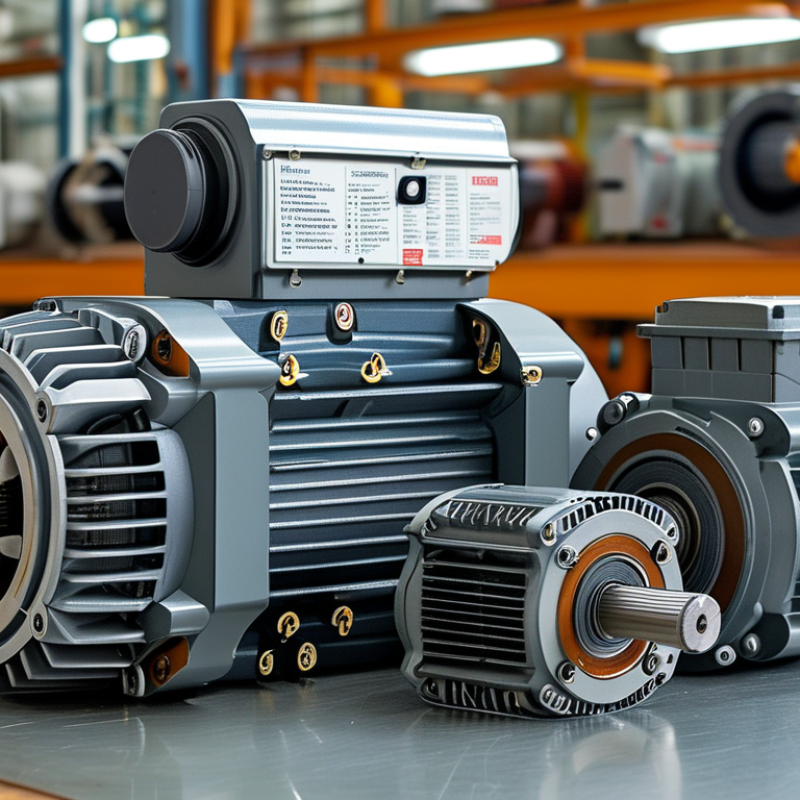
Top Tips for Choosing the Right Induction Motor?

Understanding Induction Motor Basics and Terminology

Induction motors are widely used in various applications due to their efficiency and reliability. Understanding the basics of these motors is crucial for making informed choices. An induction motor operates on the principle of electromagnetic induction, where electric currents create magnetic fields. This process allows motors to run smoothly and effectively.

Key terminology is essential when selecting an induction motor. Terms like rotor, stator, and slip relate to motor performance. The rotor is the rotating part, while the stator remains stationary. Slip indicates the difference between the speed of the stator's magnetic field and the rotor. A lower slip means better efficiency, which is a critical factor.

Interpreting the specifications can be challenging. It's vital to pay attention to voltage, power rating, and efficiency class. Each aspect affects performance and suitability for specific tasks. Reflecting on your unique needs can help narrow down options. Keep in mind that trial and error may reveal the best fit for your application.

Top Tips for Choosing the Right Induction Motor

Dimension Description Importance
Power Rating The output power of the motor, typically measured in horsepower (HP) or kilowatts (kW). Determines the capability to drive loads effectively.
Voltage Rating The operating voltage required for the motor, such as 230V, 400V. Ensures compatibility with the power supply system.
Efficiency Ratio of output power to input power, indicating how effectively the motor converts electricity to mechanical energy. Higher efficiency leads to lower operational costs.
Speed Rating The speed at which the motor operates, commonly measured in revolutions per minute (RPM). Critical for applications requiring specific speed for efficiency.
Frame Size The physical dimensions of the motor, which affect installation and alignment. Important for space constraints and fitting into existing systems.
Cooling Method The method used to dissipate heat; common types are air-cooled or liquid-cooled. Affects the motor's performance and longevity under heavy load conditions.

Key Factors Influencing Induction Motor Selection

Selecting the right induction motor is crucial for efficiency and performance. One of the key factors is power rating. Ensure the motor meets the required load specifications. An omitted detail can lead to insufficient power or excess energy waste.

Another important factor is the motor's speed. Different applications require different speeds. Decide whether a constant speed or variable speed is needed. Often, the choice of speed affects the overall design and efficiency of the system. It's essential to evaluate the operational needs thoroughly.

Also, consider the environmental conditions the motor will face. Factors like temperature, humidity, and dust can impact performance and lifespan. Often, motors are chosen without consideration of these conditions. Reflecting on this can help avoid failures. Proper insulation and protective features may be necessary for longevity. Choosing wisely establishes reliability and maintenance efficiency.

Comparing Efficiency Ratings: IE Classes and Their Importance

When selecting an induction motor, efficiency is critical. The International Electrotechnical Commission (IEC) classifies motors into different efficiency ratings, known as IE Classes. These range from IE1, the least efficient, to IE5, the most efficient. Understanding these classes helps buyers make informed decisions.

IE classes indicate how much energy a motor converts into mechanical power. Higher efficiency not only reduces energy costs but also lowers environmental impact. For example, an IE2 motor consumes more energy over time than an IE3 motor, costing more in the long run. However, higher efficiency motors often come with a higher upfront cost. This can be a dilemma for budget-conscious buyers.

It is essential to weigh these factors against operational needs. Some applications may not require top-tier efficiency. However, industries aiming for sustainability may benefit from investing in higher-rated motors. Reflection on usage patterns and future goals is vital. Choosing the right induction motor is not just about immediate savings but long-term performance and responsibility.

Evaluating Torque Requirements and Load Conditions

When selecting an induction motor, evaluating torque requirements and load conditions is critical. Understanding the load type—whether it's constant or fluctuating—helps in making an informed decision. Accurate torque ratings ensure the motor runs efficiently under your specific application.

Consider the motor's starting torque. Different applications may need higher starting torque to overcome inertia. This is essential for heavy machinery. It's important to match these requirements precisely. Oversized motors can lead to inefficiencies. They may run cooler, but they waste energy.

Load conditions also play a vital role. Dynamic loads may need motors that can adapt to changing torque demands. Always assess the load's behavior during operation. Some loads might cause vibrations, which can affect motor life. Ideally, you want a motor that operates smoothly under varying conditions.

Choosing the right induction motor requires careful consideration of torque and load. The process might be complex, but understanding these elements is key to success. Make educated choices based on reliable data and specifications.

Torque Requirements by Application Type

This bar chart displays the torque requirements in Newton-meters (Nm) for various application types commonly using induction motors. Understanding these requirements is crucial for selecting the right motor for your specific load conditions.

Assessing Environmental Factors and Application-Specific Needs

When choosing an induction motor, environmental factors play a crucial role. Temperature, humidity, and dust levels can significantly affect performance. For instance, high humidity may lead to condensation, impacting electrical components. Similarly, extreme temperatures can alter the motor's efficiency and lifespan. Considering these conditions early in the selection process can prevent future complications.

Application-specific needs should also drive your decision. Different applications may require unique motor characteristics. For example, a motor for a fan system may need to operate quietly, while a pump motor demands high torque. A mismatch in these specifications can lead to inefficiencies or even motor failure. Evaluate the load types, required speed, and duty cycles carefully.

Reflecting on past experiences can guide you. Have you encountered issues with motors in particular environments? Understanding previous challenges helps inform better choices. Each application is unique, and learning from experience is invaluable. Embrace flexibility in your approach, and don’t shy away from seeking expert advice.

FAQS

: What is a key factor when selecting an induction motor?

: Power rating is essential. It must meet your load specifications. Missing this detail can waste energy.

Why is motor speed important?

Different applications require different speeds. Evaluate if you need constant or variable speed based on operational requirements.

How do environmental conditions affect motor selection?

Conditions like temperature and humidity impact performance. Ignoring these can lead to motor failures over time.

What should I consider regarding torque requirements?

Understand if your load is constant or fluctuating. Accurate torque ratings are crucial for efficient operation.

Why is starting torque significant in motor selection?

Higher starting torque may be needed for heavy machinery. Matching these requirements prevents inefficient motor use.

How do load conditions influence motor choice?

Dynamic loads require motors that adapt to changing demands. Assessing load behavior is key to ensuring smooth operation.

What role do application-specific needs play?

Each application has unique characteristics. Ensure your motor meets these to avoid failures and inefficiencies.

Why is it essential to reflect on past experiences with motors?

Learning from previous challenges with motors can improve future choices. Past issues provide valuable insights.

How can flexibility benefit my motor selection process?

Being flexible allows you to adapt as necessary. Seeking expert advice can enhance your decision-making efforts.

What can happen if motors are not properly evaluated?

Inadequate evaluations may lead to inefficiencies and potential motor failures. A careful review is always recommended.

Conclusion

When selecting the right induction motor, it's crucial to understand the fundamentals and terminology associated with these devices. Key factors influencing the selection process include the motor's efficiency ratings, specifically the IE classes, which provide insights into energy consumption and operational costs. Additionally, evaluating torque requirements and the conditions of the intended load is essential to ensure optimal performance.

Environmental factors and application-specific needs should also be thoroughly assessed to guarantee suitability for the intended environment. By taking these considerations into account, one can identify an induction motor that not only meets the technical requirements but also aligns with overall efficiency and operational goals. This comprehensive approach ensures informed decisions that enhance productivity and reliability in various applications.

Charlotte

Charlotte

Charlotte is a seasoned marketing professional with a deep understanding of the company's portfolio and a passion for elevating its presence in the market. With a keen eye for detail and a commitment to excellence, she ensures that our professional blog is regularly updated with insightful articles......