Essential Tips for Choosing the Right Vortex Pump?

Time:2026-08-06 Author:Liam
0%

Choosing the right Vortex Pump is crucial for efficiency in various industrial applications. According to industry reports, improper selection can lead to significant operational costs, reducing efficiency by up to 20%. Vortex Pumps are designed to handle liquids with solid particles. Their ability to prevent clogging makes them popular in wastewater treatment and irrigation sectors. However, many users are unaware of the specific requirements that determine the optimal choice.

Understanding the flow rate, head pressure, and the nature of the liquid is vital. A poorly chosen pump can cause frequent maintenance issues and unplanned downtimes. Industry studies highlight that 30% of pump failures stem from inadequate specifications. Furthermore, the pump material must withstand the fluid's corrosiveness. Users often overlook these details, leading to diminishing returns.

Moreover, it's essential to consider the pump's energy efficiency. Reports show that energy consumption accounts for 75% of total pump lifecycle costs. Selecting a Vortex Pump with energy-efficient designs can lead to savings over time. Reflect on your specific needs and research thoroughly. Remember, making an informed decision today will enhance productivity and save costs in the long run.
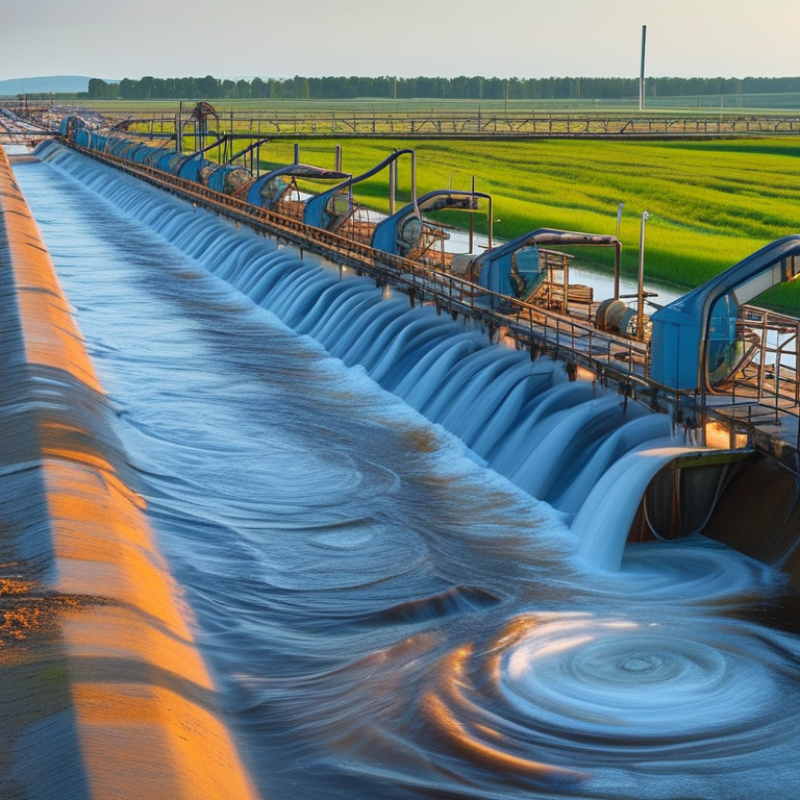
Essential Tips for Choosing the Right Vortex Pump?

Understanding Vortex Pumps and Their Applications

Vortex pumps are unique in their design and functionality. They use a specially shaped impeller to create a vortex, effectively moving liquid without getting clogged. This makes them suitable for handling liquids with suspended solids or froth. Many industries rely on these pumps for tasks in wastewater treatment, chemical processing, and food production. Understanding their working principle helps ensure optimal application.

When selecting a vortex pump, consider the specific requirements of your application. Examine the fluid characteristics, such as viscosity and temperature. It’s vital to evaluate the solids content, as excessive solids can wear down the pump. A deeper analysis of the flow rate and head requirements is also essential. Miscalculating these parameters could lead to inefficiency or system failures.

Moreover, while vortex pumps are advantageous in many scenarios, they are not perfect. They can lose efficiency at lower flow rates. This inefficiency might lead to increased operational costs over time. It’s worth reflecting on your long-term needs versus immediate requirements. Always be prepared for trade-offs between performance and cost when integrating a vortex pump into your system.

Essential Tips for Choosing the Right Vortex Pump

Key Factors to Consider When Selecting a Vortex Pump

When selecting a vortex pump, several key factors come into play. A vortex pump is designed to handle fluids with solids, and its performance can vary widely based on specific requirements. One crucial factor is the pump's capacity. According to industry reports, the average capacity of vortex pumps ranges from 50 to 8,000 GPM. Knowing your flow rate needs helps narrow the options.

Another significant consideration is the viscosity of the fluid. Pumps have specific viscosity ratings. For instance, not all vortex pumps can handle thicker fluids. Choosing a pump with the right rating ensures efficiency and longevity. Additionally, the choice of materials affects durability. For example, pumps made from stainless steel are generally more resilient in corrosive environments versus those made from aluminum.

Maintenance is often overlooked but critical for performance. Regular checks help identify wear and tear early. Studies show that improper maintenance can reduce a pump's lifespan by up to 30%. This data highlights the importance of selecting a vortex pump that allows easy access for servicing. Evaluate the design and maintenance needs thoroughly. Ultimately, consider all these aspects to ensure you select a pump that truly meets your operational requirements.

Evaluating Pump Specifications: Flow Rate and Head Pressure

When choosing a vortex pump, assessing the flow rate and head pressure is crucial. Flow rate refers to the volume of liquid a pump can move in a specific time, usually measured in gallons per minute (GPM) or liters per second (L/s). For instance, a pump may have a flow rate of 50 GPM when operating at low head pressure. However, this rate can significantly drop as head pressure increases. A report from the National Pump and Motor Association shows that nearly 30% of pump failures are due to mismatched flow rate and application demands.

Head pressure is the height a pump can lift water. It impacts performance significantly. A vortex pump may have a maximum head pressure of 50 feet but may struggle at this limit, especially in demanding applications. It's crucial to consider your system’s highest operational points. Understanding the relationship between flow rate and head pressure ensures optimal efficiency. A focused review of pump curves can help visualize performance across different operating conditions.

Many users overlook the need for precise calculations. Underestimating required specifications can lead to a pump underperforming or failing early. Regular maintenance and adjustment based on system changes are necessary. Evaluating these aspects with care can avoid costly consequences.

Material Compatibility and Durability in Vortex Pump Selection

When selecting a vortex pump, material compatibility is critical. The wrong choice can lead to premature failure. Consider the fluid being pumped. Is it abrasive, corrosive, or viscous? Each type presents unique challenges. For example, abrasive fluids can wear down lighter materials quickly. Choosing a pump with a robust design can mitigate this risk.

Durability also plays a key role in your decision-making process. Vortex pumps are available in various materials, such as stainless steel, cast iron, and plastic. Each offers different benefits and limitations. Stainless steel provides excellent resistance to corrosion but can be expensive. Cast iron is more affordable but can rust. Think carefully about your operating environment. Will the pump be exposed to extreme temperatures or chemicals?

It’s not enough to just look at specifications. Real-world performance matters too. User experiences can reveal common issues overlooked in brochures. Sometimes users report unexpected wear or leaks. Researching feedback from reliable sources will help you make a more informed choice. Don’t just rely on technical data; understanding the real-world impact is essential for a successful application.

Essential Tips for Choosing the Right Vortex Pump

Criteria Recommended Materials Durability Rating Typical Applications
Corrosion Resistance Stainless Steel, PVC High Wastewater Treatment, Chemical Transport
Temperature Resistance Cast Iron, Bronze Medium Hot Liquids, Food Processing
Impact Resistance Polypropylene, HDPE Medium Mining, Construction
Abrasive Materials Handling Ceramic Coatings, Hardened Steel Very High Sludge Pumping, Sand Handling

Maintenance and Operational Considerations for Vortex Pumps

Vortex pumps are essential for handling challenging fluids. Regular maintenance is crucial for optimal performance. Monitor the pump's operating conditions regularly. Pay attention to unusual noises or vibrations. These can indicate mechanical issues requiring immediate attention.

Cleaning is key to prolonging the life of vortex pumps. Sediment build-up can affect efficiency. Inspect the inlet and outlet regularly. Ensure they are free from obstructions. Maintain proper fluid levels to avoid cavitation which can damage the pump.

Operational considerations also impact performance. Understand the fluid characteristics you are handling. Non-Newtonian fluids may behave unpredictably. Determine the right speed for your specific application. Overworking the pump can lead to failures. Always consult with a knowledgeable technician if uncertain about operational limits.

FAQS

: What are vortex pumps used for?

: Vortex pumps are used in wastewater treatment, chemical processing, and food production. They handle liquids with suspended solids.

Why is the shape of the impeller important?

The specially shaped impeller creates a vortex. This design prevents clogs and ensures smooth liquid movement.

What should I consider when selecting a vortex pump?

Evaluate fluid characteristics, solids content, and flow rates. Miscalculating these factors can lead to inefficiencies.

How does viscosity impact vortex pump selection?

Viscosity affects pump performance. Not all vortex pumps handle thick fluids, so choose one based on its viscosity rating.

What maintenance is required for vortex pumps?

Regular maintenance is crucial. Checks should identify wear and tear to avoid reduced lifespan, which can be up to 30%.

Can vortex pumps be inefficient?

Yes, they can lose efficiency at lower flow rates. This may increase operational costs, requiring careful consideration of needs.

What materials are best for vortex pumps?

Stainless steel offers better durability in corrosive environments than aluminum. Material choice is essential for pump longevity.

Are there any trade-offs when using vortex pumps?

Yes, balancing performance and cost is important. Reflect on long-term versus immediate operational needs before integration.

How does solids content affect pump selection?

Excessive solids can wear down the pump. It’s vital to examine the solids content before selecting a vortex pump.

What is the average capacity range for vortex pumps?

Vortex pumps typically range from 50 to 8,000 GPM. Knowing your flow rate needs helps narrow your selection.

Conclusion

When selecting the right Vortex Pump, it's essential to understand their unique applications and benefits. Vortex Pumps are designed to handle fluids with solids or debris effectively, making them ideal for various industries, including wastewater management and industrial processes. Key factors to consider include the pump's specifications, such as flow rate and head pressure, which influence its performance in specific contexts.

Additionally, assessing the material compatibility and durability of the Vortex Pump is crucial to ensure it can withstand the working environment and fluids being pumped. Regular maintenance and operational considerations also play a vital role in the longevity and efficiency of the pump. By focusing on these aspects, you can make an informed decision and select a Vortex Pump that meets your specific needs.

Liam

Liam

Liam is a dedicated marketing professional with a profound expertise in the industry, where he excels at highlighting the unique advantages of our core products. With a keen understanding of market trends and consumer needs, Liam frequently updates our company’s professional blog, providing......