Essential Tips for Choosing the Right Centrifugal Pump?

Time:2026-07-27 Author:Henry
0%

Choosing the right centrifugal pump is crucial for various industrial applications. In the words of Dr. Emily Carter, a renowned expert in fluid dynamics, "The efficiency of your centrifugal pump can greatly determine your operational success." Her insight highlights the importance of making informed decisions when selecting a pump.

When evaluating options, one should consider the pump’s design and intended use. Different materials and configurations affect performance. The right centrifugal pump needs to match your specific requirements. This ensures optimal flow rates and energy efficiency. However, many overlook maintenance considerations. A pump that is hard to service or find parts for can lead to unexpected downtime.

It’s also essential to understand the limitations of each centrifugal pump type. Not every design will meet the demands of your system. Investing in extensive research can yield better results. Remember, a misstep in your choice can be costly. By prioritizing efficiency and reliability, you can make a more effective decision for your application.
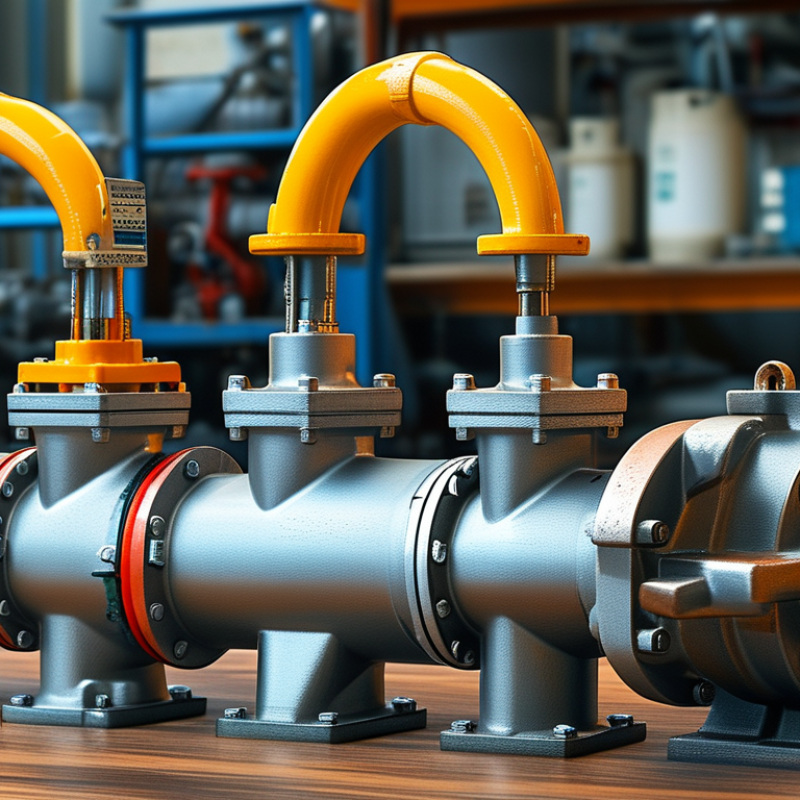
Essential Tips for Choosing the Right Centrifugal Pump?

Understanding the Basics of Centrifugal Pumps

Centrifugal pumps play a vital role in various industries. These pumps move fluids by converting rotational energy into hydrodynamic energy. Understanding their operation is crucial for effective selection. The key components include an impeller and a volute. The impeller pushes the fluid outward, while the volute channelizes it.

When choosing a centrifugal pump, consider the fluid characteristics. Viscosity and temperature directly impact performance. Certain fluids can cause wear and tear if not handled properly. It's essential to assess the application's requirements, such as flow rate and pressure. Often, one overlook these factors, leading to inefficiencies later.

Maintenance also requires attention. Regular checks on seals and bearings prevent failures. Many beginners underestimate the importance of upkeep. Ignoring these elements can result in costly downtime. Knowledge of basic troubleshooting can enhance longevity. Familiarizing yourself with these pump basics is the first step toward making informed choices in centrifugal pump selection.

Factors to Consider When Selecting a Centrifugal Pump

When selecting a centrifugal pump, there are key factors to keep in mind. The fluid being pumped is crucial. Different liquids have unique properties. Consider viscosity, temperature, and chemical compatibility. These factors can directly affect the pump’s performance. For instance, a high-viscosity fluid may require a pump with more power.

Next, assess the flow rate and pressure requirements. Calculate the desired flow rate in gallons per minute (GPM). Understanding your system's pressure needs is also vital. Sizing the pump correctly ensures efficient operation. An oversized pump may waste energy, while an undersized one could lead to inadequate flow.

Don’t overlook the material of construction. Pumps can be made from various materials, each suited for specific environments. Corrosion-resistant materials may be necessary for harsh chemicals. Additionally, think about maintenance. A pump that is difficult to service can lead to long-term costs. Investing in easier maintenance solutions can save headaches down the line. Ensure your choices align with your operational standards.

Essential Tips for Choosing the Right Centrifugal Pump

This bar chart represents the key factors to consider when selecting a centrifugal pump, based on their importance score:

Evaluating Flow Rates and Head Requirements

When selecting a centrifugal pump, evaluating flow rates and head requirements is crucial. Flow rate, often measured in gallons per minute or liters per second, determines how quickly fluid moves through the system. Knowing the necessary flow rate ensures your pump can meet your project's demands. A pump unable to provide adequate flow will lead to inefficiencies and potential system failure.

Head requirements play a vital role too. The head refers to the height a pump needs to lift water or fluid. Different applications necessitate varying head capacities. For instance, transferring water from a deep well requires a higher head than moving it across a flat surface. Neglecting these aspects can result in costly operational issues.

Consider your specifications carefully. For certain situations, achieving the right balance between flow rate and head is challenging. Sometimes, it requires trade-offs. You might find a pump ideal for flow but lacking in head or vice versa. Assessing your application’s unique needs can help you make a more informed decision. This understanding can save you time and resources in the long run.

Material Compatibility and Pump Design Considerations

When selecting a centrifugal pump, material compatibility is crucial. The fluid being pumped dictates the materials used in the pump’s construction. For example, corrosive liquids require materials resistant to chemical wear. Stainless steel, for instance, is a popular choice for many applications due to its durability. However, it may not suffice for all fluids. Some aggressive chemicals can still corrode even stainless steel. While it is common, it’s not universal.

Another critical aspect is the pump design itself. The design influences efficiency, capacity, and maintenance needs. It’s essential to assess the pump's impeller and casing materials. A poor design can lead to cavitation issues, reducing the pump's lifespan. Regularly reviewing design parameters can prevent operational problems.

Choosing the right pump is not straightforward. It demands expertise and a deep understanding of both the fluid and the application requirements. Engaging experienced professionals can aid in making informed decisions. Overlooking compatibility or design can lead to costly errors. A careful approach ensures that the chosen pump meets both operational demands and environmental factors.

Maintenance and Longevity in Pump Selection

Maintenance plays a crucial role in the longevity of centrifugal pumps. Regular checks can identify issues early, preventing costly repairs. It's essential to monitor not just the pump but also its surrounding systems. Look for leaks, vibrations, and unusual noises. These signs indicate wear and tear. Understanding these can save time and money in the long run.

Optimal pump selection begins with understanding your specific needs. Evaluate the fluid dynamics, including viscosity and temperature. This knowledge informs the choice of materials and pump design. Regular maintenance schedules should be established. These schedules include lubrication and replacing worn parts. Ignoring these can lead to decreased efficiency and increased operational costs.

Beyond the technical aspects, the installation environment matters. Dust, moisture, and temperature fluctuations impact pump performance. A well-thought-out installation minimizes these risks. Reflect on past experiences. Were there any overlooked factors? Learning from these can guide future selections. Each pump chosen should balance quality and practicality. Creating this balance ensures longevity and reliable service.

Essential Tips for Choosing the Right Centrifugal Pump - Maintenance and Longevity in Pump Selection

Criteria Description Impact on Maintenance
Flow Rate The volumetric flow rate needed for your application. Incorrect flow rates can cause wear and inefficiency.
Head Pressure The height the pump must lift the fluid. High head pressure leads to increased energy consumption.
Material Compatibility Choosing materials that resist corrosion and wear. Wrong material can lead to failures and reduce lifespan.
Pump Design Impeller design impacts efficiency and operating range. Improper design can lead to cavitation and damage.
Maintenance Schedule Regular inspections and part replacements. Inadequate maintenance increases downtime and repair costs.
Environmental Conditions Temperature, pressure, and humidity levels. Extreme conditions can accelerate wear and tear.

FAQS

: Why is evaluating flow rates important when selecting a pump?

: Flow rates determine how quickly fluid moves. A pump that meets these rates avoids inefficiencies.

What are head requirements in pump selection?

Head requirements indicate the height a pump needs to lift fluid. Different applications need different capacities.

What happens if flow rate and head are not balanced?

Imbalance can lead to inefficiencies or system failure. Finding the right trade-off is often challenging.

How can maintenance affect pump longevity?

Regular maintenance identifies issues early. Ignoring this can lead to costly repairs and downtime.

What should I monitor during maintenance checks?

Look for leaks, vibrations, and unusual noises. These signs often indicate underlying problems.

How do fluid dynamics influence pump selection?

Viscosity and temperature impact material choice. Understanding this leads to better pump design.

What environmental factors should I consider for installation?

Dust, moisture, and temperature changes can harm performance. A suitable environment enhances reliability.

How can past experiences inform future pump selections?

Reflecting on mistakes helps identify overlooked factors. Learning from these experiences can guide better choices.

What are the risks of neglecting regular maintenance?

Neglect can decrease efficiency and raise operational costs. Regular checks ensure smooth performance.

Is there a perfect pump for all applications?

No, often trade-offs occur. Each application has unique needs requiring careful evaluation.

Conclusion

When selecting the right centrifugal pump, it is essential to understand its fundamental workings and the specific requirements of your application. Firstly, consider key factors such as the required flow rates and head, as these will greatly influence pump performance. In addition, assessing material compatibility is crucial, as the pump must withstand the fluids it will convey without degrading.

Furthermore, the design of the pump also plays a significant role in its efficiency and effectiveness. It is important to evaluate maintenance needs and the expected longevity of the centrifugal pump to ensure reliable operation over time. By carefully considering these aspects, you can make an informed choice that meets the demands of your specific pumping needs.

Henry

Henry

Henry is a dedicated marketing professional with a profound expertise in the company's offerings. With years of experience in the industry, he possesses an impressive understanding of the market dynamics and consumer behaviors that drive success. Henry is committed to sharing his insights through......