Top 10 Electric Motor Types for Global Buyers What to Know

Time:2026-06-26 Author:Liam
0%

Electric motors play a crucial role in various industries worldwide. They are essential for driving machinery, powering appliances, and facilitating automation. Given the vast demand, it’s important to understand the different types of electric motors available in the global market.

This article explores the top 10 types of electric motors. Each type has unique features and applications. Understanding these differences can help potential buyers make informed decisions. The options may seem overwhelming, but choosing the right electric motor is vital for efficiency and performance.

In addition, buyers should reflect on their specific needs. What is the application? What is the desired efficiency? Understanding these factors can lead to smarter choices. Electric motors are not one-size-fits-all. They require careful consideration and expertise to select the best fit for any project.
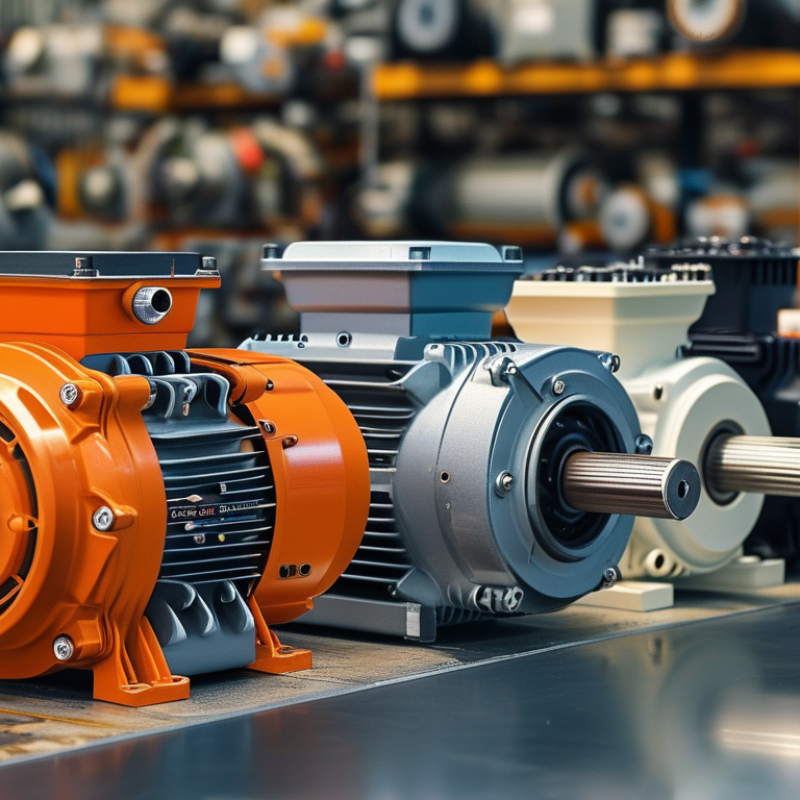
Top 10 Electric Motor Types for Global Buyers What to Know

Overview of Electric Motor Types and Their Applications

Electric motors are crucial in modern technology, playing diverse roles across various industries. Understanding the different types can help buyers make informed choices. Common electric motor types include AC, DC, stepper, and servo motors, each serving unique applications. For instance, AC motors are often used in household appliances, while DC motors power smaller devices like toys and tools.

Stepper motors are popular in precision control applications. They provide accurate positioning and are vital in 3D printers and CNC machines. Servo motors are used in robotics and automation, offering high precision and speed. The varying characteristics of these motors impact their efficiency and performance, making it necessary to understand their specifications.

When selecting an electric motor, consider factors like torque, speed, and application suitability. Buyers must also assess the environment in which the motor will operate. Motors are sometimes prone to overheating or wear over time. Reflecting on these aspects can help ensure better choices. Moreover, evaluating energy efficiency and maintenance requirements can lead to long-term savings and reliability in operations.

Key Features of Electric Motors for Potential Buyers

When considering electric motors, buyers should focus on key features that directly impact performance and efficiency. Understanding power ratings is essential. This indicates how much work a motor can handle. Typically, the higher the rating, the better the motor can perform under load. Buyers often overlook this detail but it’s crucial.

Another significant aspect is the motor's efficiency. An efficient motor translates to lower energy costs and less heat generation. Buyers must analyze efficiency ratings, as values vary greatly among motor types. For instance, brushless motors usually exhibit higher efficiency compared to brushed counterparts. Thus, evaluating energy consumption is central to making a smart purchase.

Lastly, consider the motor's operational environment. Some motors perform best indoors, while others may withstand harsh conditions. Ensure to check the protection ratings. Dust and moisture resistance are important features for longevity. Inadequate environmental considerations may lead to premature failures, which buyers should avoid. Balancing these details while purchasing can lead to better decisions.

Top 10 Electric Motor Types for Global Buyers

This chart illustrates the distribution of different types of electric motors preferred by global buyers. The data represents the percentage popularity of each motor type, allowing potential buyers to understand which motors are most favored in the market.

Comparative Analysis of AC and DC Electric Motors

When comparing AC and DC electric motors, it’s essential to understand their differences and applications. AC motors generally have a simpler design. They are robust and require less maintenance. This makes them ideal for fixed-speed applications. For example, you'll find them in fans and pumps. Their durability offers reliable performance in various industrial settings.

On the other hand, DC motors excel in adjustable speed settings. They provide precise control, making them perfect for applications like electric vehicles and robotics. However, DC motors can have higher maintenance needs. Their brushes wear out over time, which can lead to increased downtime. In applications where efficiency matters, this trade-off is vital to consider.

Both types have unique advantages and challenges. AC motors often face performance limitations in variable speed scenarios. Meanwhile, DC motors struggle with efficiency at larger scales. An informed decision requires analyzing specific needs and potential applications. This reflection is key in selecting the right motor type for your project. Understanding these nuances can lead to significant benefits in performance and operational efficiency.

Emerging Trends in Electric Motor Technology

Electric motor technology is rapidly evolving. Current trends show a focus on efficiency and sustainability. Manufacturers are exploring new materials to enhance performance. Lightweight composites are becoming more popular. These innovations can lead to lighter and more efficient motors.

Artificial intelligence is influencing electric motor design. Smart motors can self-diagnose issues, leading to reduced maintenance costs. Automation in manufacturing is improving production speeds. This allows for more precise motors tailored for specific applications. However, reliance on technology raises concerns about cybersecurity and data integrity.

Research in energy harvesting is gaining traction. Motors can now convert wasted energy into usable power. This trend emphasizes the importance of sustainability. Additionally, advancements in battery technology are allowing for longer operational times. Despite the benefits, challenges remain in balancing cost and performance. Continuous innovation is crucial as the market demands high efficiency.

Factors to Consider When Selecting an Electric Motor

When selecting an electric motor, it’s vital to consider several key factors. Understanding the application is crucial. Different motors excel in varying environments. For example, regenerative braking is necessary for electric vehicles. Others may focus on high torque for industrial use. Knowing the specific requirements of your project can guide your choice.

Another factor is efficiency. Motors with higher efficiency ratings can save costs over time. This efficiency often translates to better performance in demanding tasks. Consider voltage requirements and operational conditions. Environmental factors, such as temperature and humidity, may impact motor performance significantly.

Moreover, size and weight can influence installation and operational ease. Some applications may benefit from compact designs, while others prioritize power output. Don’t overlook compatibility with existing systems. Any mismatch can lead to inefficiencies or failure. Assessing these details may lead to reflection and adjustments in your selection process. Each choice carries its potential to affect overall performance.

Top 10 Electric Motor Types for Global Buyers

Motor Type Voltage Rating Power Range (kW) Efficiency (%) Applications
AC Induction Motor 230V - 690V 0.5 - 1000 kW 85 - 95 Pumps, Fans, Compressors
DC Brushless Motor 12V - 48V 0.1 - 10 kW 90 - 95 Electric Vehicles, Drones
Stepper Motor 5V - 48V 0.01 - 1 kW 70 - 80 3D Printers, CNC Machines
Synchronous Motor 400V - 13.8kV 10 - 5000 kW 90 - 98 Industrial Machinery, Wind Turbines
Wound Rotor Motor 400V - 6000V 10 - 1000 kW 85 - 90 Crushers, Mill Drives
Permanent Magnet Motor 230V - 400V 0.5 - 200 kW 92 - 96 Electric Vehicles, Robotics
Universal Motor 120V - 240V 0.1 - 3 kW 80 - 85 Home Appliances, Power Tools
Linear Motor 24V - 480V 0.5 - 50 kW 85 - 90 Conveyor Systems, Transportation
Single-phase Motor 115V - 240V 0.1 - 10 kW 75 - 80 Fans, Small Machinery
Brush DC Motor 12V - 120V 0.1 - 50 kW 85 - 90 Electric Bikes, Robotics

FAQS

: What are the main types of electric motors?

: The main types include AC, DC, stepper, and servo motors. Each type serves unique applications.

Where are AC motors commonly used?

AC motors are often found in household appliances like fans and pumps. They offer durability and reliability.

What applications benefit from stepper motors?

Stepper motors excel in precision control. They are vital for 3D printers and CNC machines.

Why might a buyer choose a DC motor?

DC motors provide precise control and adjustable speed. They are ideal for applications like robotics and electric vehicles.

What should buyers consider about motor efficiency?

Efficiency affects energy costs and heat generation. Higher efficiency ratings are generally better for long-term savings.

How important is the operational environment for electric motors?

The environment affects motor longevity. Dust and moisture resistance are crucial for preventing premature failures.

What is a common maintenance concern with DC motors?

DC motors can require more frequent maintenance. Their brushes wear out over time, affecting performance.

Are AC motors easy to maintain?

Yes, AC motors usually have a simpler design and require less maintenance. They can operate reliably for long periods.

What trade-offs should be considered when selecting a motor type?

Consider performance limitations and maintenance needs. Each motor type has advantages but also specific challenges.

How can evaluating energy efficiency lead to better choices?

Higher energy efficiency reduces costs. Buyers should analyze efficiency ratings to make smarter purchasing decisions.

Conclusion

The article "Top 10 Electric Motor Types for Global Buyers What to Know" provides a comprehensive overview of various electric motor types and their diverse applications across different industries. It emphasizes the key features that potential buyers should consider, such as efficiency, power output, and maintenance requirements. The comparative analysis of AC and DC electric motors highlights their distinct advantages, which cater to different operational needs.

Furthermore, the article delves into emerging trends in electric motor technology, showcasing innovations that enhance performance and sustainability. As buyers navigate the selection process, understanding critical factors like application requirements and environmental impact will be essential to make informed decisions. Overall, this article serves as a valuable resource for anyone seeking to understand the dynamics of electric motors in the global market.

Liam

Liam

Liam is a dedicated marketing professional with a profound expertise in the industry, where he excels at highlighting the unique advantages of our core products. With a keen understanding of market trends and consumer needs, Liam frequently updates our company’s professional blog, providing......