The gearbox industry in China is rapidly evolving, showing significant growth over the past few years. According to the China Gearbox Industry Report 2023, the market is projected to reach over $25 billion by 2025. This rise is driven by increased demand in sectors like automotive, manufacturing, and renewable energy.
Expert Dr. Li Wei, a renowned gearbox specialist, emphasizes, “The innovation in gearbox technology is reshaping industrial operations.” His observations highlight the urgency for manufacturers to adapt to changing technologies. This is critical as competition intensifies among top Chinese gearbox manufacturers.
Some leading brands have already begun implementing advanced automation and efficiency strategies. However, challenges remain. Many companies struggle with maintaining consistent quality and reliability. Addressing these issues is essential for sustaining long-term growth in the gearbox sector. Understanding these dynamics is crucial for stakeholders aiming to navigate this competitive landscape.
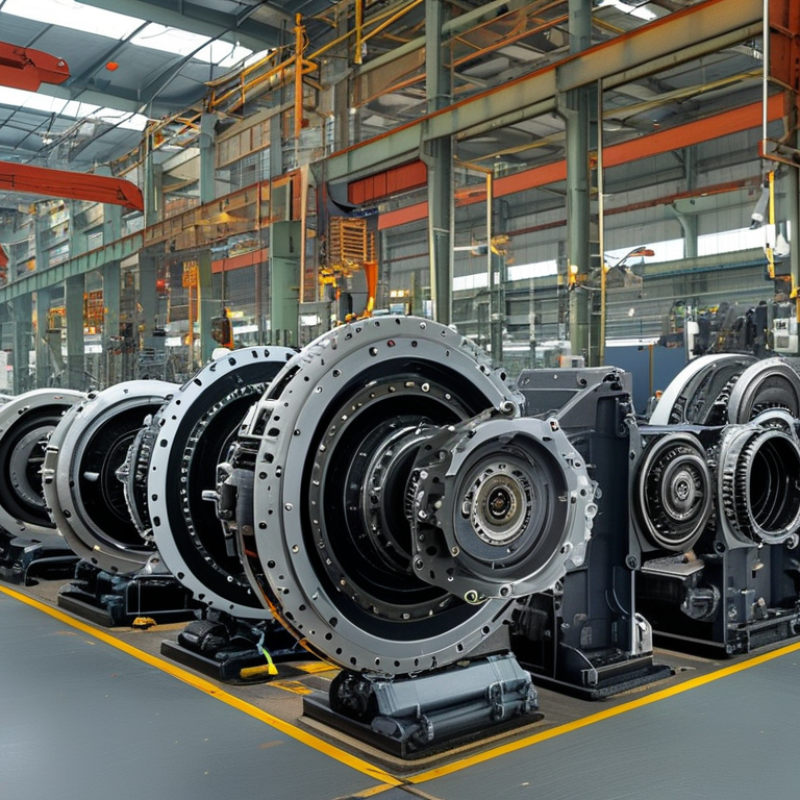
The gearbox manufacturing industry in China has witnessed rapid growth in recent years. China now stands as one of the largest producers of gearboxes globally. This shift is driven by increasing demands from various sectors, including automotive, industrial machinery, and renewable energy. Advanced technologies and skilled labor have facilitated this expansion.
Despite the progress, challenges remain. Some manufacturers still grapple with quality control. This can lead to inconsistencies in product performance. While many companies invest in research and development, not all allocate sufficient resources. As a result, some fail to keep pace with global standards. There is often a gap between production speed and quality assurance.
Local manufacturers also face stiff competition from foreign brands. These companies typically have more established reputations. This competitive pressure can spur innovation among domestic firms. Nevertheless, addressing gaps in technology and training is crucial. Collaboration between industry stakeholders could bridge these gaps and uplift the whole sector.
When considering gearbox quality and performance, several key factors come into play. Material choice is crucial. High-strength steel and aluminum alloys enhance durability. A report from the International Gearbox Association suggests that quality materials can increase the lifespan of gearboxes by up to 30%.
Manufacturing precision also significantly affects performance. Tolerances need to be within micrometers. The American Gear Manufacturers Association states that improved manufacturing processes can boost efficiency by 15% or more. Attention to detail during assembly can prevent common issues like gear misalignment.
Tips: Regular maintenance checks are essential. Adhering to manufacturer guidelines helps ensure optimal performance. Equipment operating beyond specified limits poses risks. Investing in quality components initially may save costs long-term. A lack of focus on these elements could reflect poorly on operation efficiency and product longevity.
In the rapidly evolving machinery sector, China stands out as a global hub for gearbox manufacturing. The country boasts a robust market, with estimated revenue reaching over USD 33 billion by 2025. This growth is propelled by the rising demand for industrial automation and advanced robotics. Gearboxes are crucial in transmitting power and controlling speeds, making them indispensable in diverse applications.
Leading manufacturers focus on innovation and quality. Recent reports indicate that around 75% of companies invest heavily in R&D to enhance gearbox efficiency. With advanced technologies, these manufacturers aim to meet the growing standards for energy conservation and reliability. However, the market faces challenges. Some companies struggle with quality control, leading to product inconsistencies.
Despite these hurdles, prominent players maintain a competitive edge through strategic partnerships and global outreach. Approximately 20% of gearboxes produced in China are exported, highlighting the significance of international collaborations. The expertise of these manufacturers in creating tailored solutions often sets them apart. They continue to refine their processes, adapting to evolving market demands.
| Manufacturer Rank | Annual Revenue (Million USD) | Market Share (%) | Headquarters Location | Number of Employees |
|---|---|---|---|---|
| 1 | 1500 | 25 | Beijing | 3000 |
| 2 | 1200 | 20 | Shanghai | 2500 |
| 3 | 900 | 15 | Guangzhou | 2000 |
| 4 | 800 | 12 | Shenzhen | 1500 |
| 5 | 700 | 10 | Hangzhou | 1200 |
| 6 | 600 | 8 | Nanjing | 1000 |
| 7 | 500 | 5 | Tianjin | 800 |
| 8 | 400 | 4 | Wuhan | 600 |
| 9 | 300 | 3 | Chengdu | 500 |
| 10 | 200 | 2 | Xi'an | 400 |
Innovative technologies are transforming the gearbox manufacturing industry in China. Advanced materials are being used to enhance durability and efficiency. Manufacturers are adopting lightweight composites and high-strength alloys. This shift leads to improved performance in various applications. However, the transition is not without challenges. Some companies struggle to balance cost efficiency and quality.
Automation has become a game changer. Robotic systems streamline production lines, increasing precision. This leads to reduced human error and waste. Nevertheless, implementing these technologies requires significant investment. Smaller manufacturers may find it difficult to keep up. It's crucial to assess the long-term benefits versus immediate costs.
Digital innovations play a significant role as well. IoT sensors provide real-time data on gearbox performance. This data helps in predictive maintenance. Nevertheless, integrating IoT is complex, and not all manufacturers can adapt swiftly. Embracing these changes can drive better results, but careful planning is essential to avoid potential pitfalls.
The Chinese gearbox market is undergoing significant transformation. As technology advances, manufacturers are focusing on automation and smart systems. This shift aims to improve efficiency and reduce energy consumption. By incorporating IoT and AI, gearboxes are becoming more intelligent, adjusting to changing operational needs.
Sustainability is another key theme. Companies are exploring eco-friendly materials for gearbox production. The push for greener solutions is reshaping manufacturing processes. Additionally, the rise of electric vehicles is influencing gearbox designs. Electric drivetrains require lightweight and compact gearboxes that can handle high torque.
Competition remains fierce. Many manufacturers are striving for innovation while maintaining cost-effectiveness. Despite progress, challenges persist. Improving production capabilities and meeting stringent quality standards are ongoing concerns. As the market evolves, firms must adapt quickly to stay competitive. Industry collaboration may provide valuable insights for overcoming these hurdles.
: Increasing demands from automotive, industrial machinery, and renewable energy sectors are key drivers.
Quality control issues and competition from established foreign brands are major challenges.
Automation improves precision and reduces waste, but it requires significant investment.
Not all allocate sufficient resources, leading to gaps in quality and innovation.
Lightweight composites and high-strength alloys enhance durability and efficiency.
Collaboration can help bridge technology gaps and uplift the entire sector.
IoT sensors provide real-time data for predictive maintenance and performance monitoring.
Smaller firms often find it hard to balance investment costs with quality improvements.
Poor planning around technology integration can lead to costly mistakes.
They need to invest in technology and training to improve their products and processes.
The gearbox manufacturing industry in China is thriving, driven by rapid technological advancements and increasing demand across various sectors. Key factors influencing the quality and performance of gearboxes include precision engineering, material selection, and manufacturing processes. As the market evolves, manufacturers are adopting innovative technologies to enhance efficiency and durability.
The future of the Chinese gearbox market looks promising, with trends such as automation and smart manufacturing gaining traction. These developments are expected to improve production capabilities and meet the growing needs of industries like automotive, aerospace, and renewable energy. Understanding these dynamics is essential for stakeholders to navigate this competitive landscape successfully.
