Featured Fluid Control & Electromechanical Components
Liquid Level Control Engineering: Global B2B White Paper
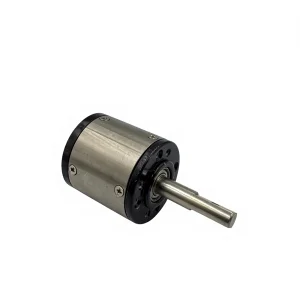
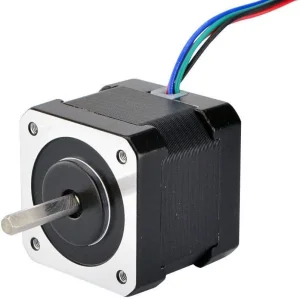
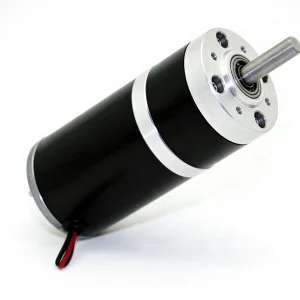
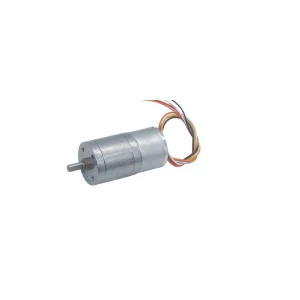
In modern industrial operations, fluid dynamics, and automated machinery demand high-precision sensors. As a leading manufacturer and exporter of CE Certified Float Switches, Dongguan AAGE Technology Co., Ltd. delivers high-performance level instrumentation alongside custom micro DC motors and speed reducers. This technical guide outlines the physics, structural engineering, manufacturing pathways, and localized application parameters of modern float switch mechanisms.
1. The Physics of Float Level Sensing
Industrial float switches operate on the principle of buoyancy, where a hollow float body moves in accordance with fluid levels. The mechanical motion of this float triggers internal electrical contacts. Most CE-certified setups utilize a hermetically sealed magnetic reed switch inside a guide stem. As the float rises or falls, an embedded magnet alters the state of the reed switch (opening or closing the circuit). This minimizes mechanical wear and offers millions of duty cycles under harsh chemical and thermal conditions.
2. Selecting the Right Specific Gravity
A fundamental engineering variable is the media's Specific Gravity (SG). To ensure proper buoyancy, the float switch's physical density must be lower than the minimum SG of the target liquid. For instance, water has an SG of 1.0, while light oils can drop to 0.7. Our export-grade custom float switches utilize specialized medical-grade and food-grade polymers (PP, PVDF) and SUS316L stainless steel to meet diverse chemical resistances and density thresholds.
3. Hysteresis & Signal Conditioning
Turbulent fluid levels can cause rapid contact switching, which may lead to system chatter and damage connected pumps or valves. We address this issue by engineering controlled hysteresis into our float assemblies. By utilizing dual-level switch configurations, integrated mechanical baffles, or coupling the switch with a programmable logic controller (PLC) or smart control board, we guarantee steady electrical outputs and protect your wider machinery.
Localized Application Scenarios & Industrial Integration
Fluid monitoring requirements vary by region and industry. Industrial operations require solutions tailored to their specific operational stresses.
Europe: Strict Municipal Water and Chemical Safety Compliance
In the European Union, waste management, municipal water systems, and industrial chemical processing require strict alignment with environmental directives. Our CE-certified float switches undergo rigorous insulation resistance, dielectric breakdown, and mechanical fatigue testing. They are constructed without hazardous materials to comply with RoHS and REACH standards. This compliance ensures ease of deployment across municipal networks in Germany, France, the UK, and Northern Europe.
North America: Industrial Automation and Heavy Sump Pump Infrastructure
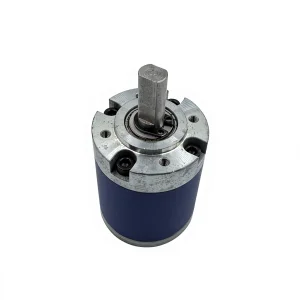
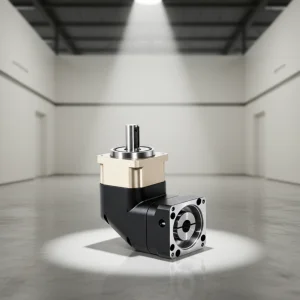
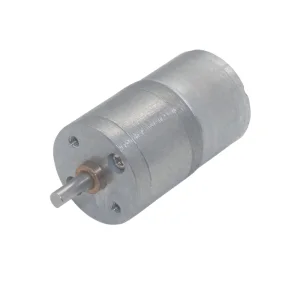
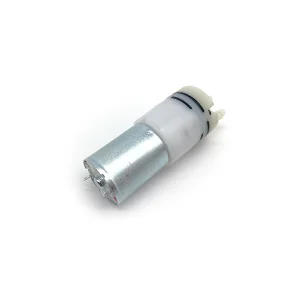
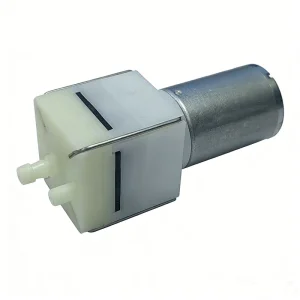
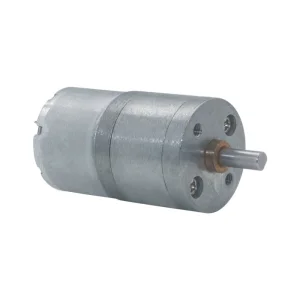
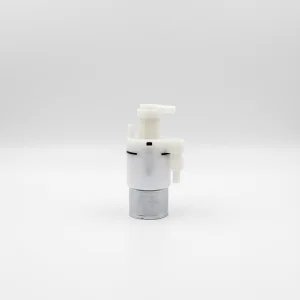
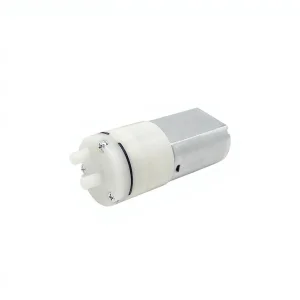
North American industrial facilities focus heavily on robustness and integration with standard PLC networks. Float switches here must interface with control relays to safeguard heavy-duty pumps and motors. Our product line supports integration with advanced planetary gearboxes and micro-vacuum pumps, enabling a complete fluid management loop that is reliable, low-noise, and highly durable.
Asia-Pacific: High-Throughput Manufacturing and Medical Diagnostics
In high-density manufacturing corridors, precision is paramount. Medical device cooling units, precision lab baths, and electronic etching tanks demand micro-sized vertical float switches with low hysteresis. By combining micro-motor technology with level sensing, AAGE Tech supplies specialized configurations that fit into compact containment chambers, ensuring consistent operation and high throughput.
Dongguan AAGE Technology: Direct Factory Supply Chain & Quality Control
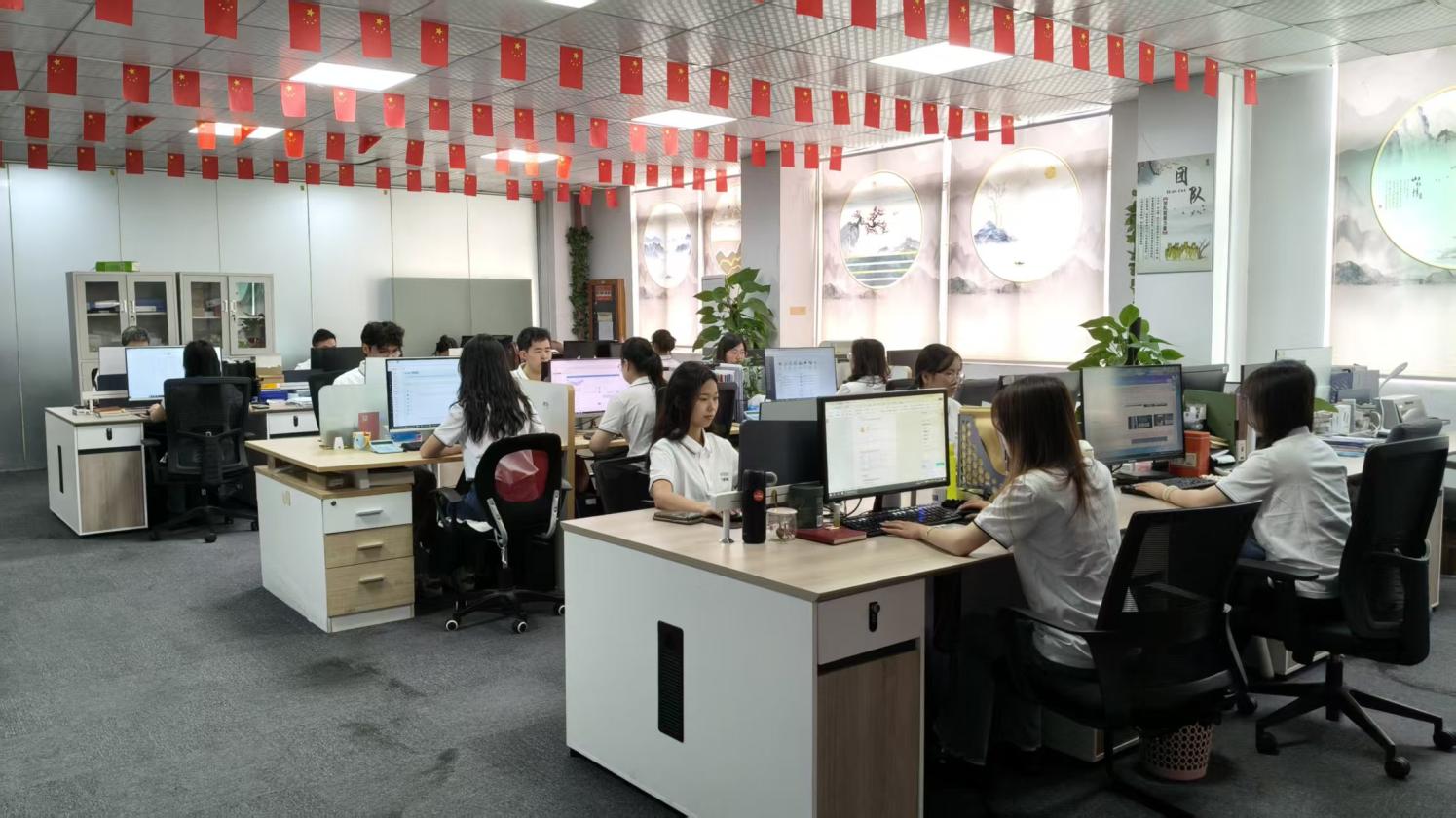
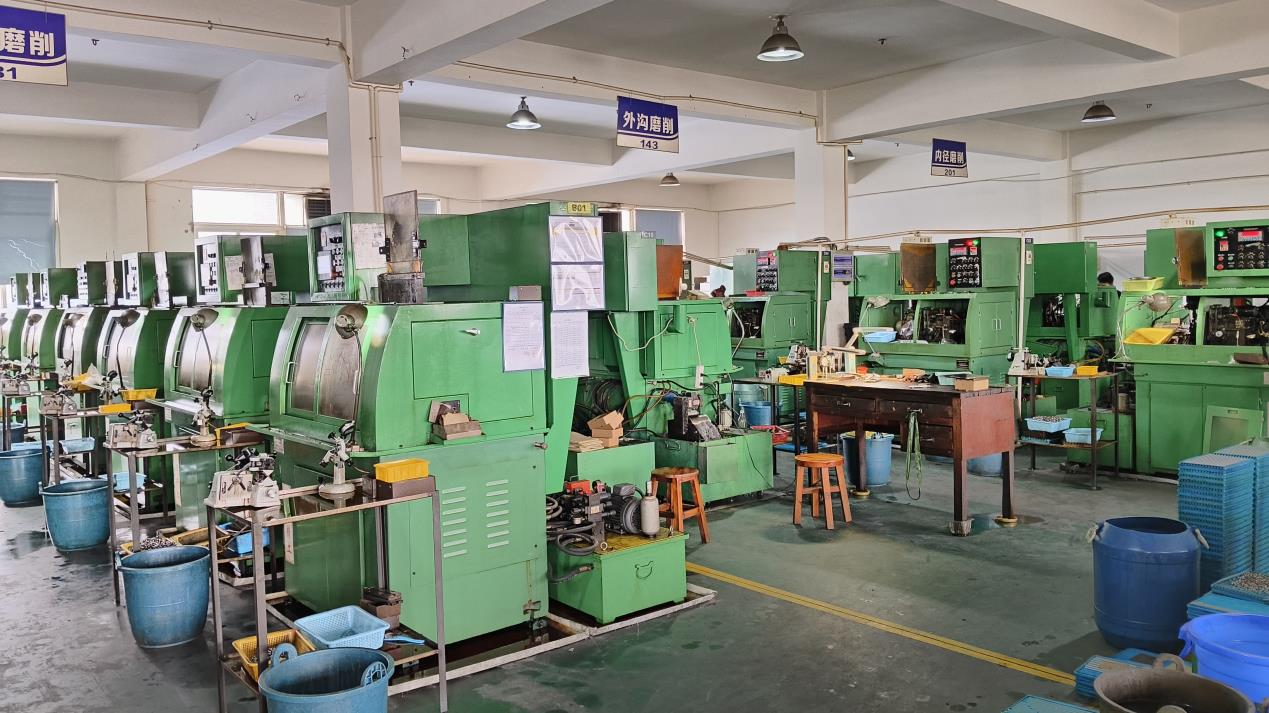
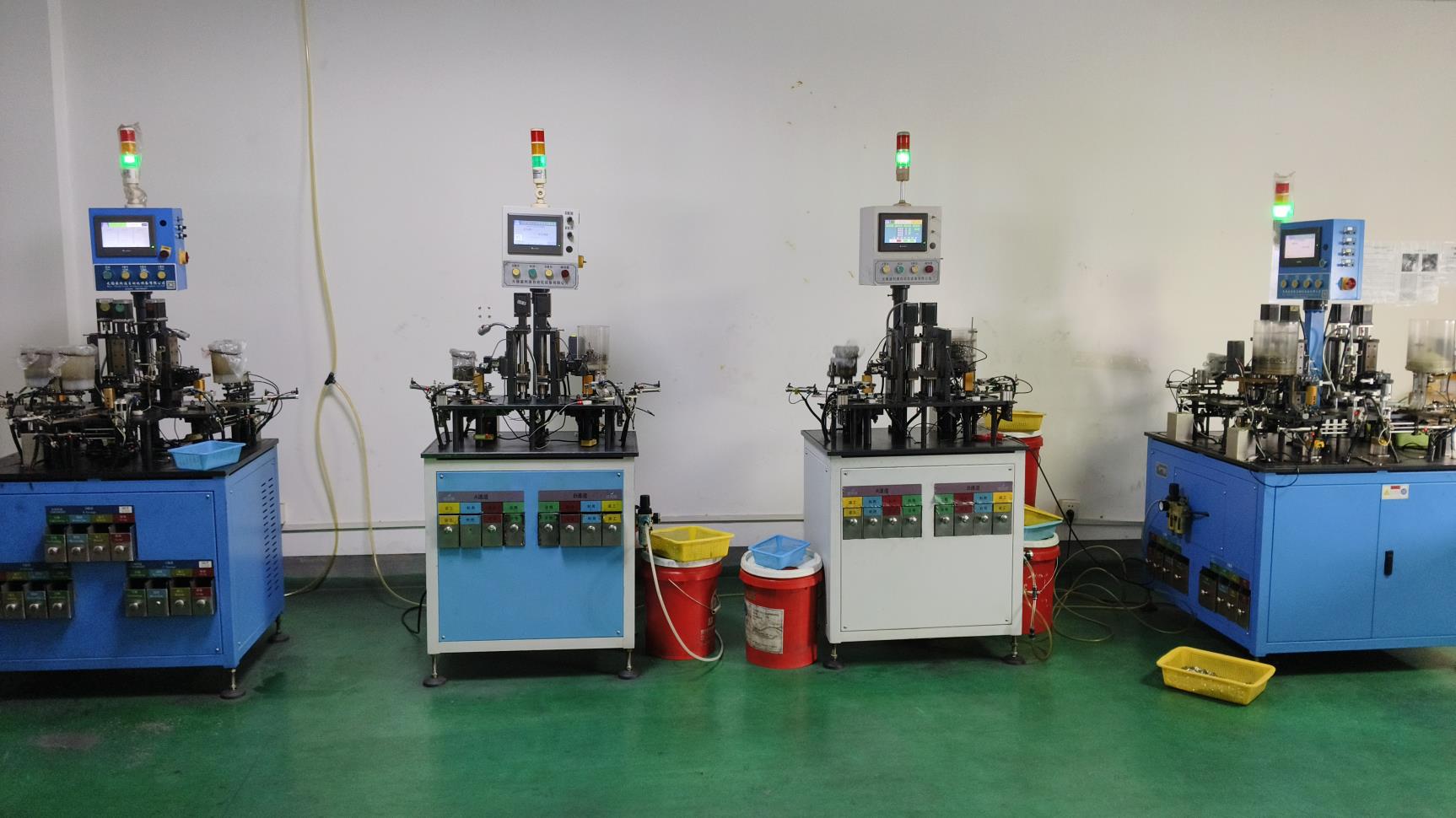
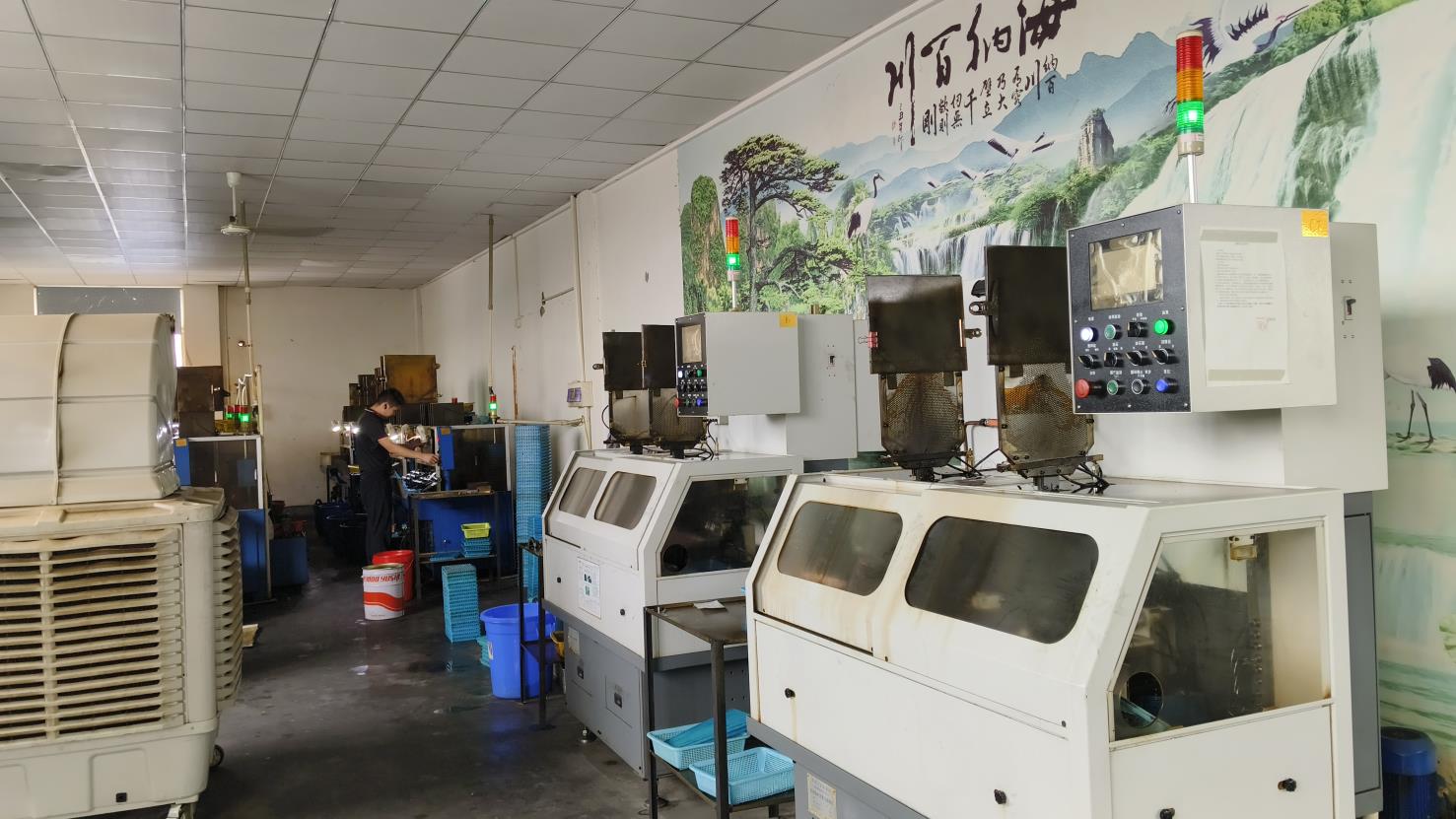
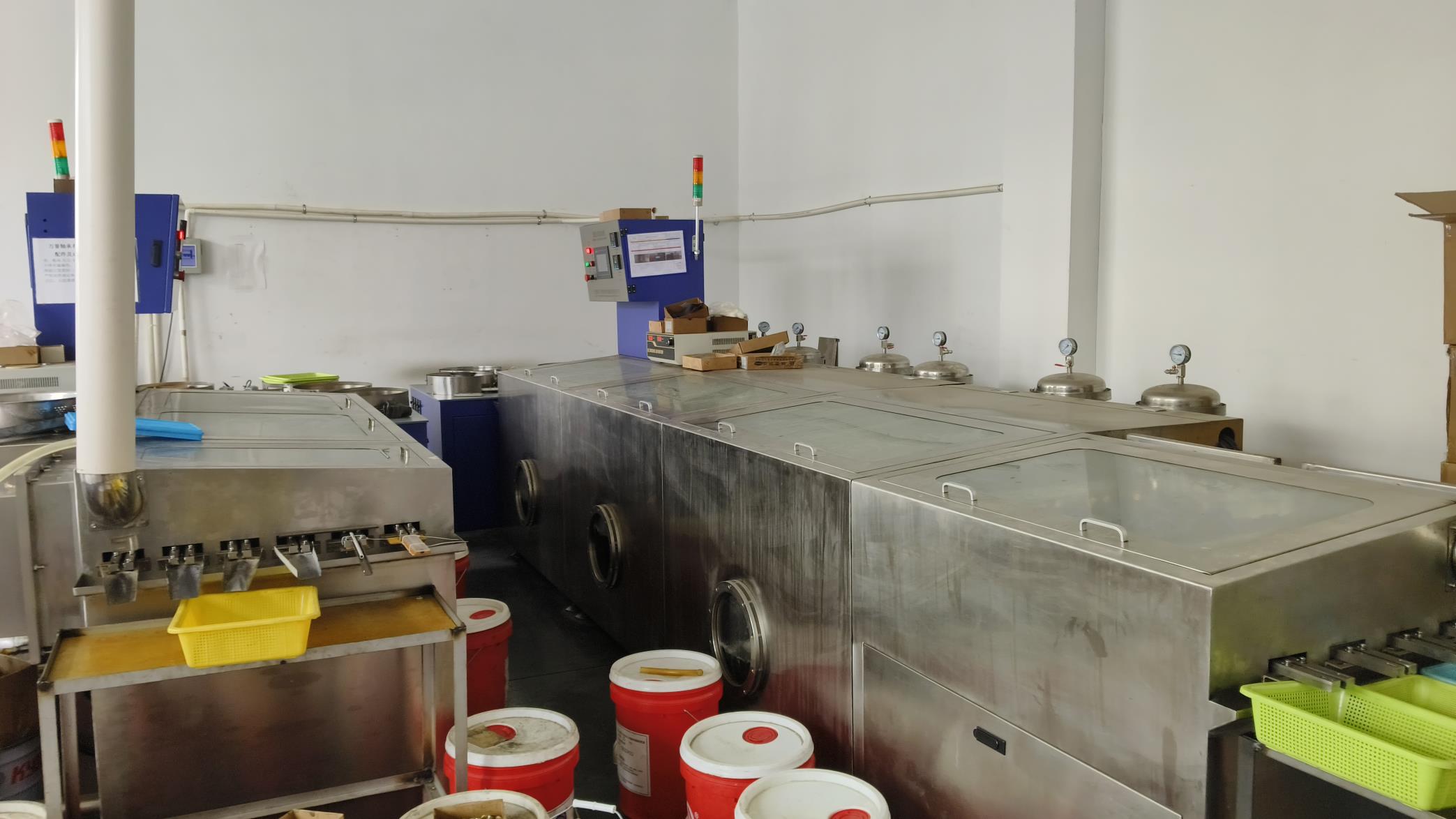
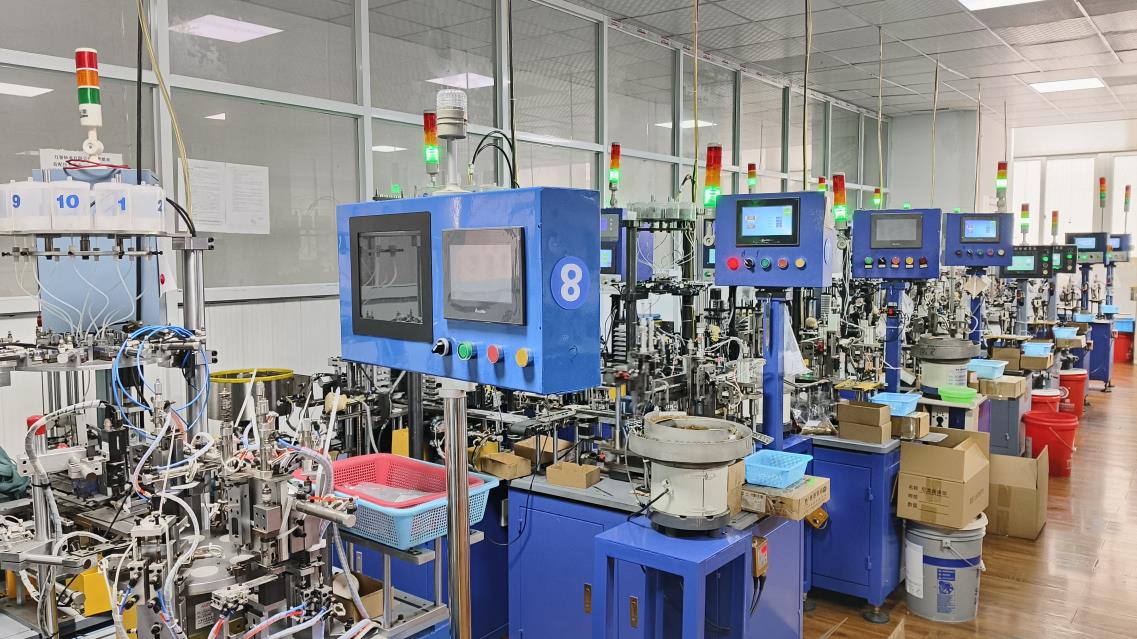
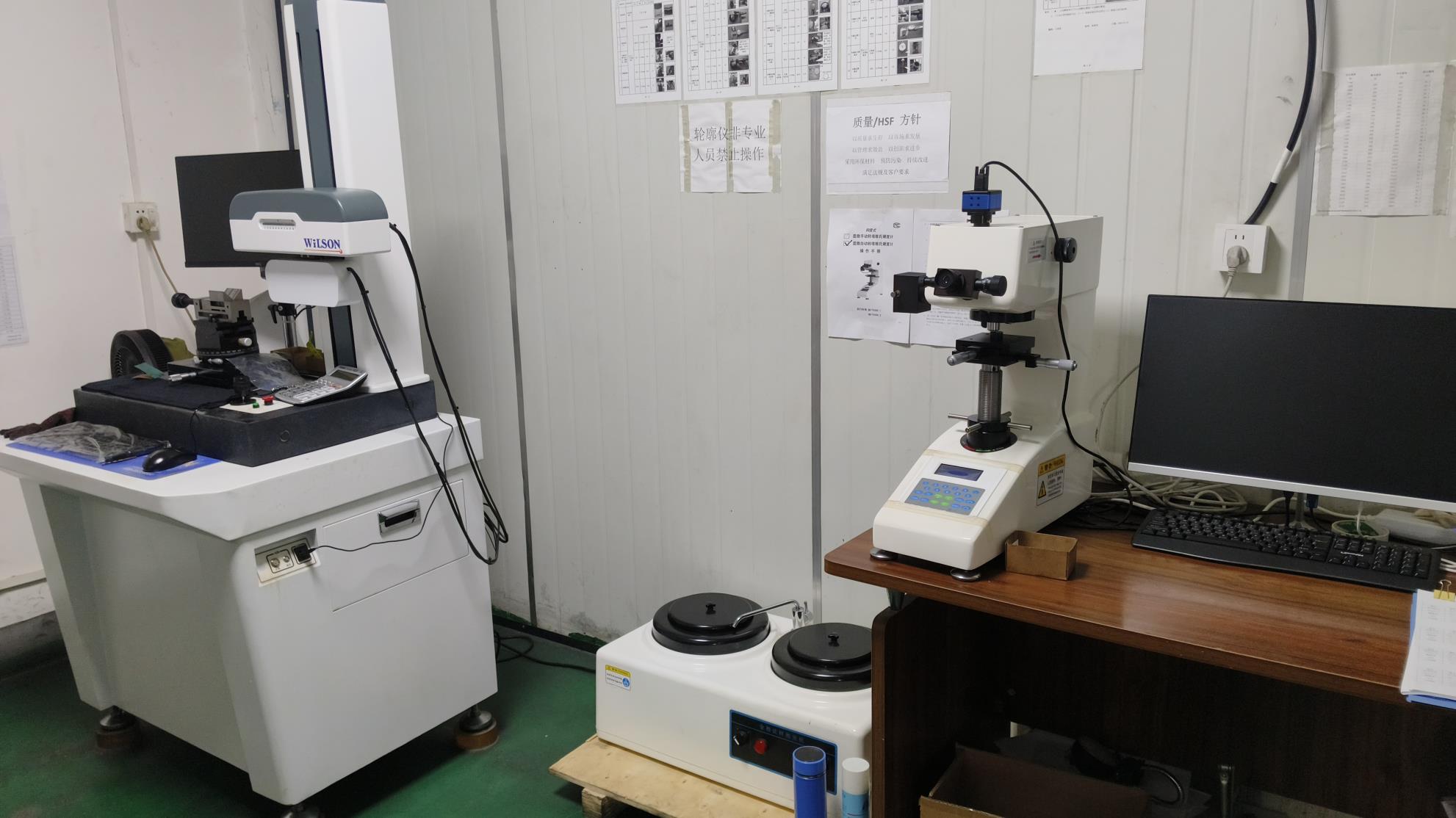
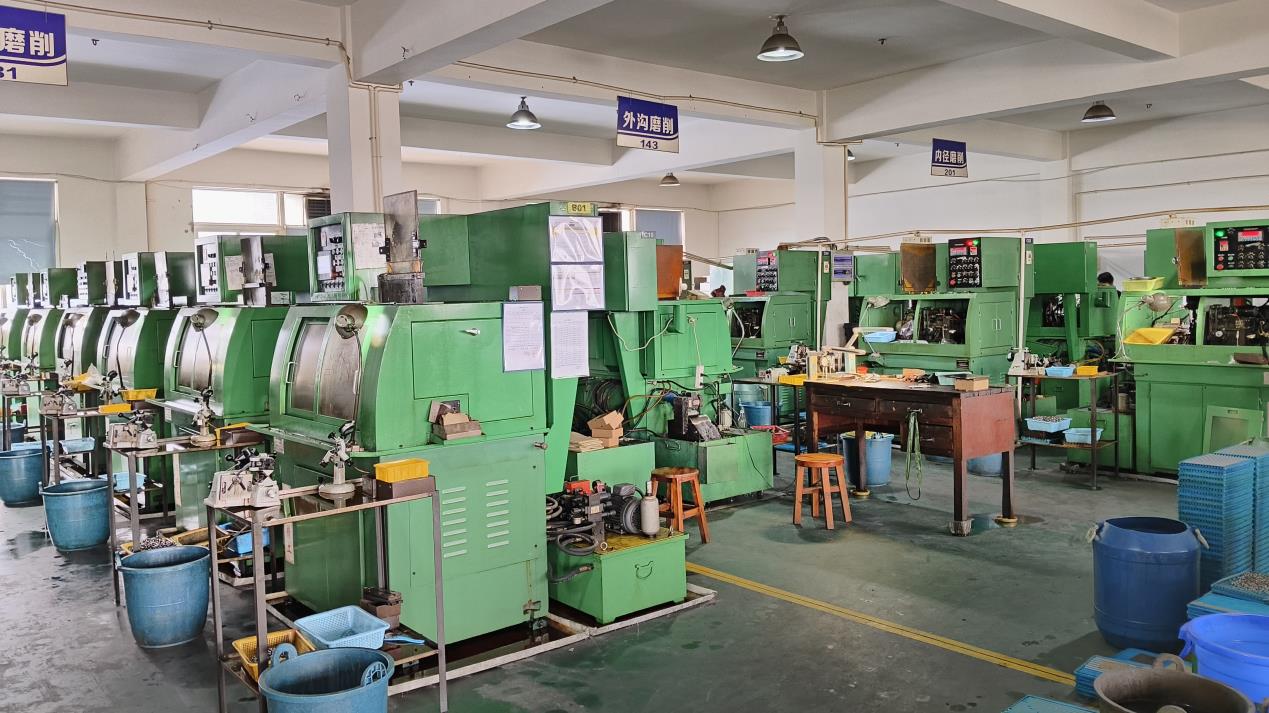
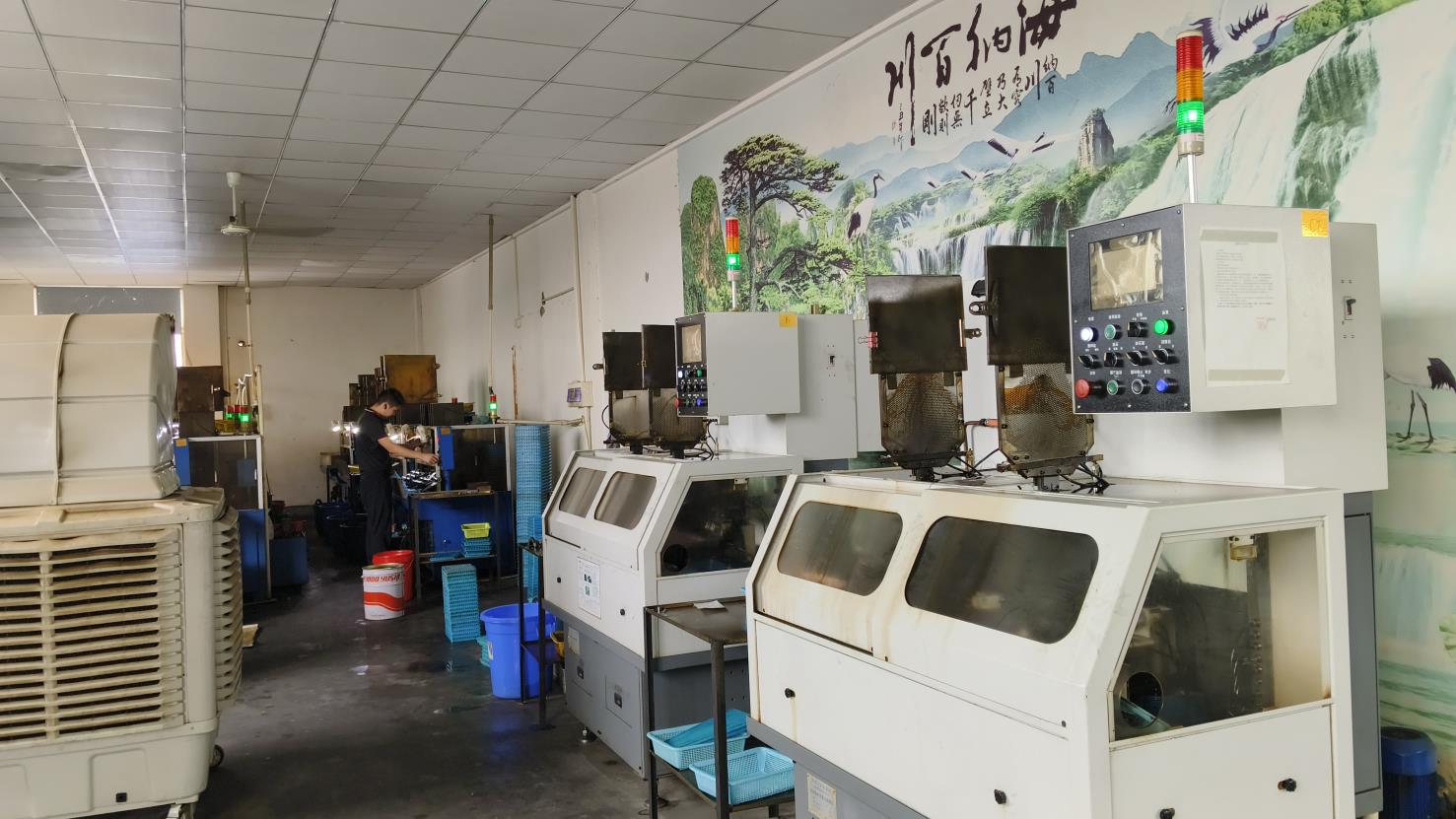
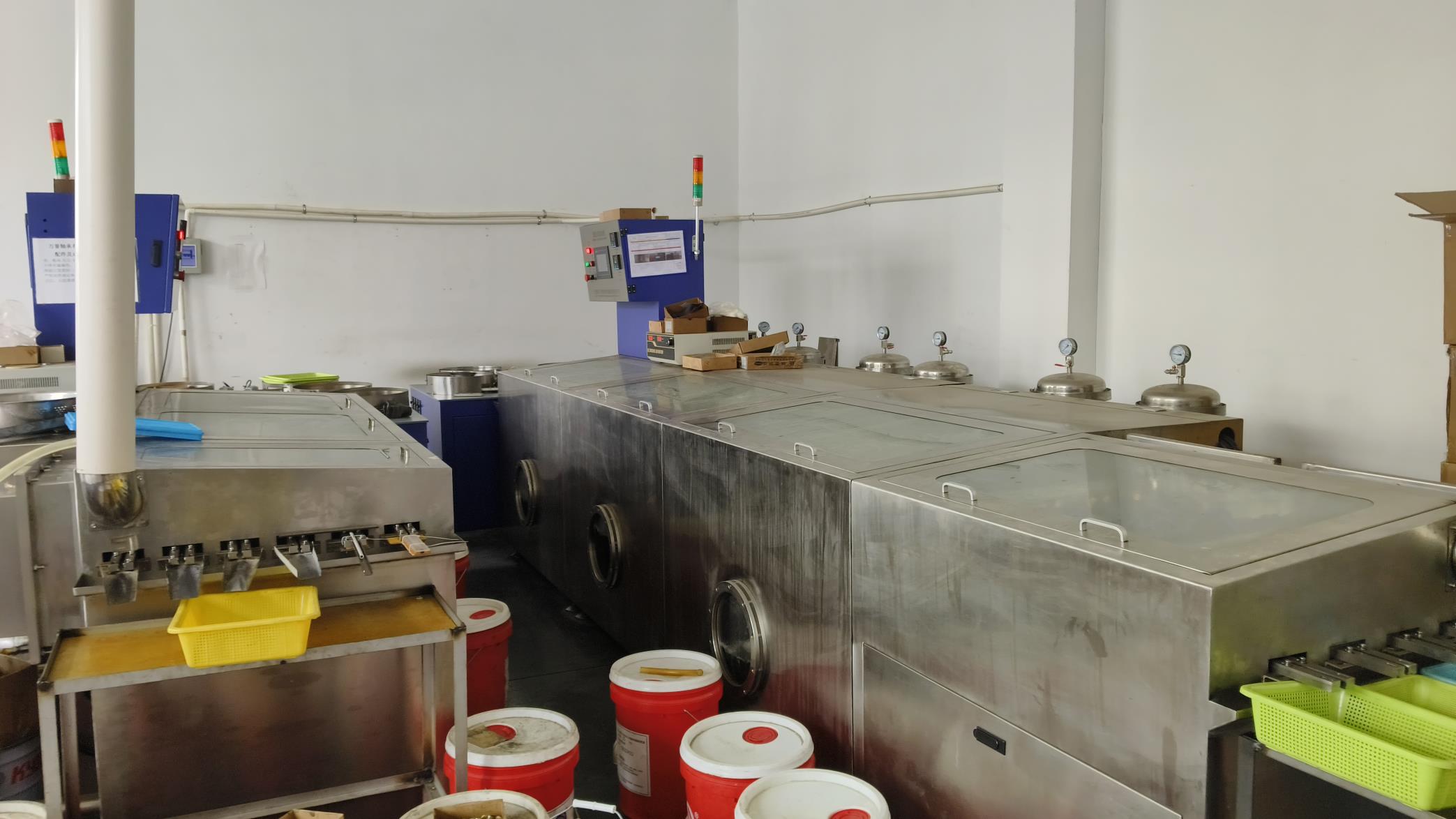
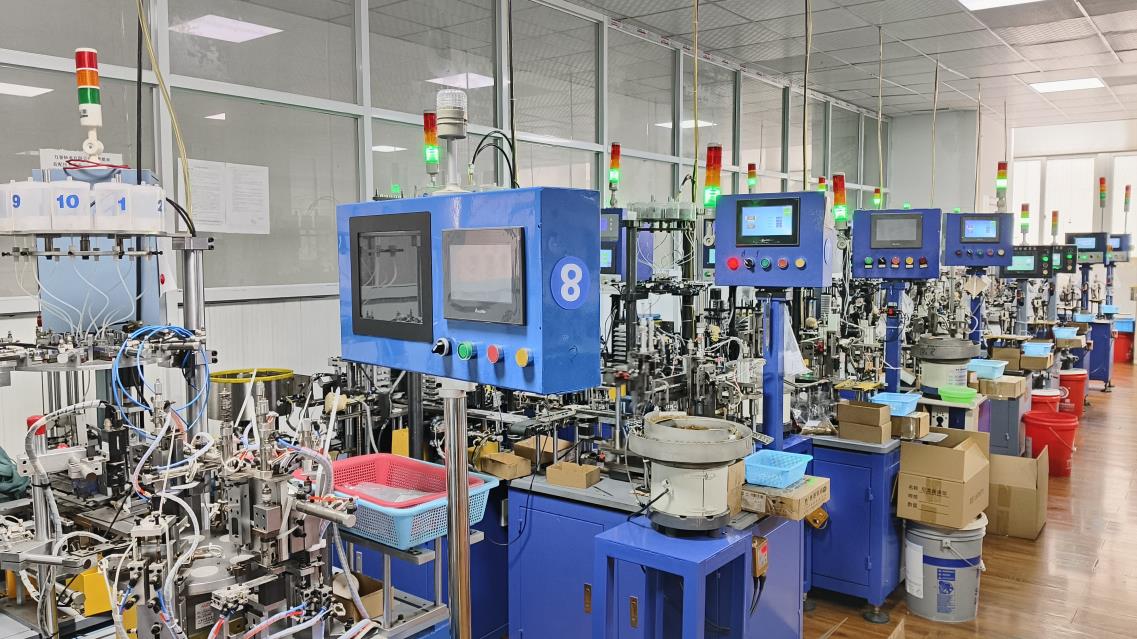
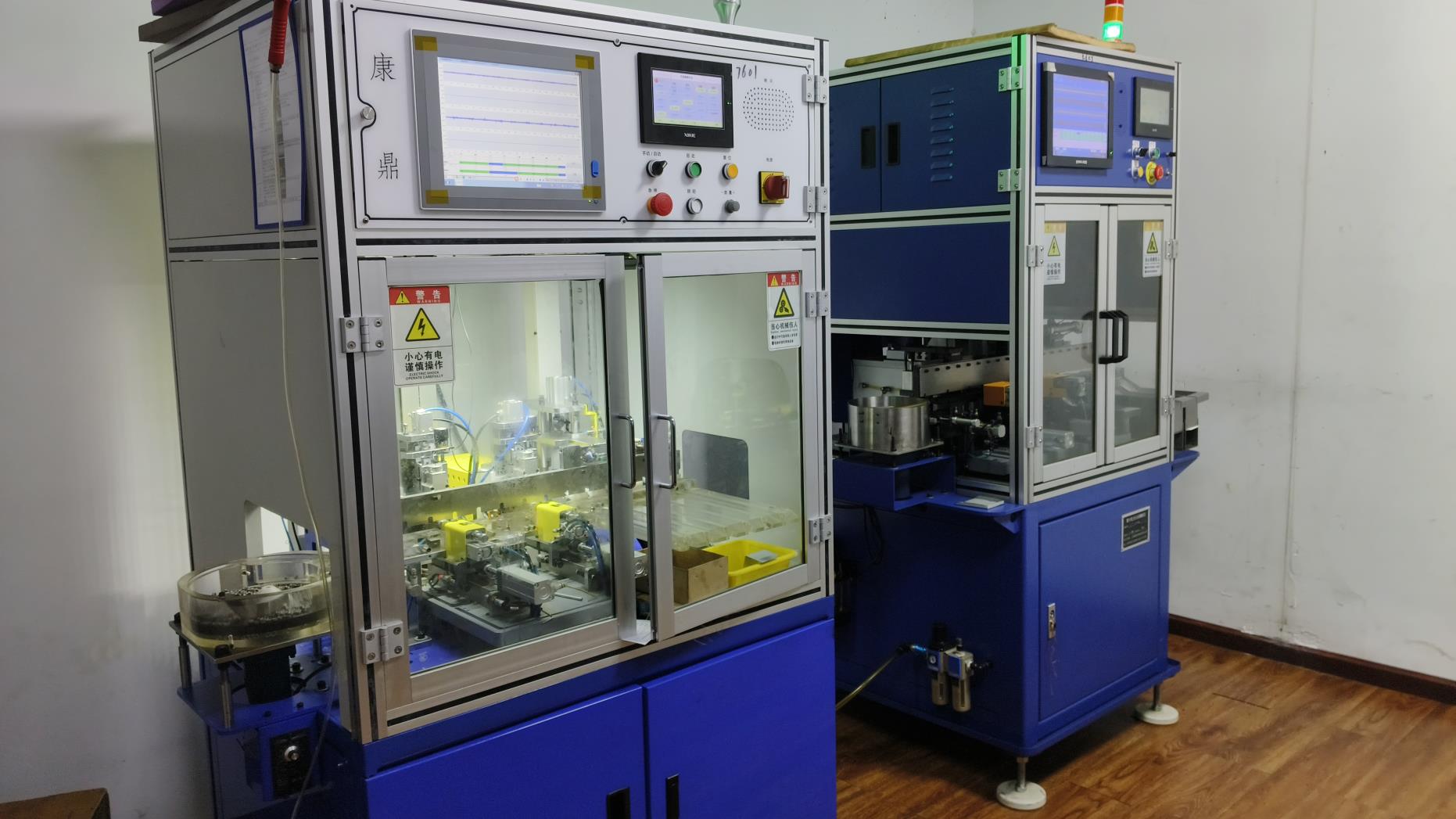
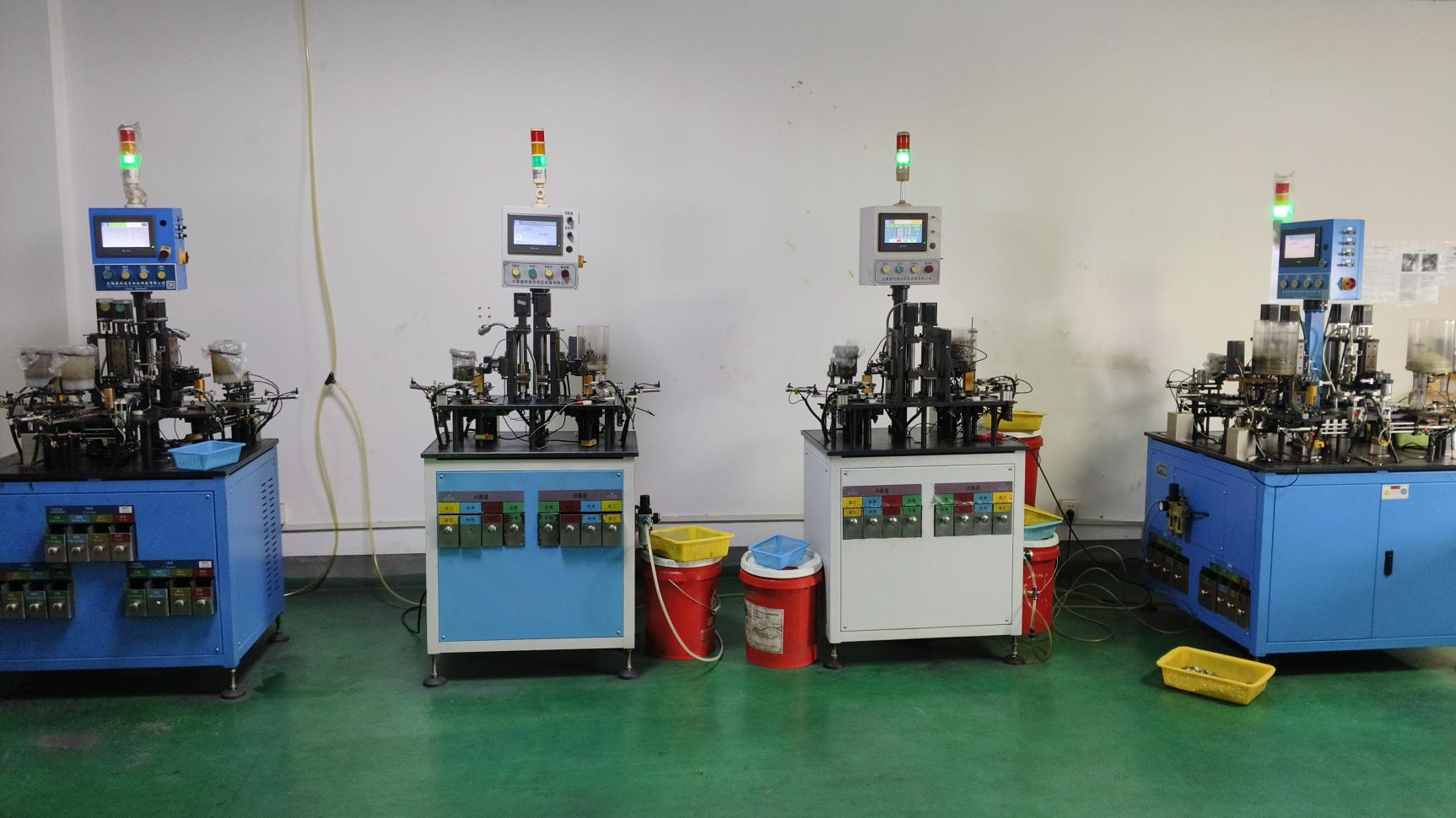
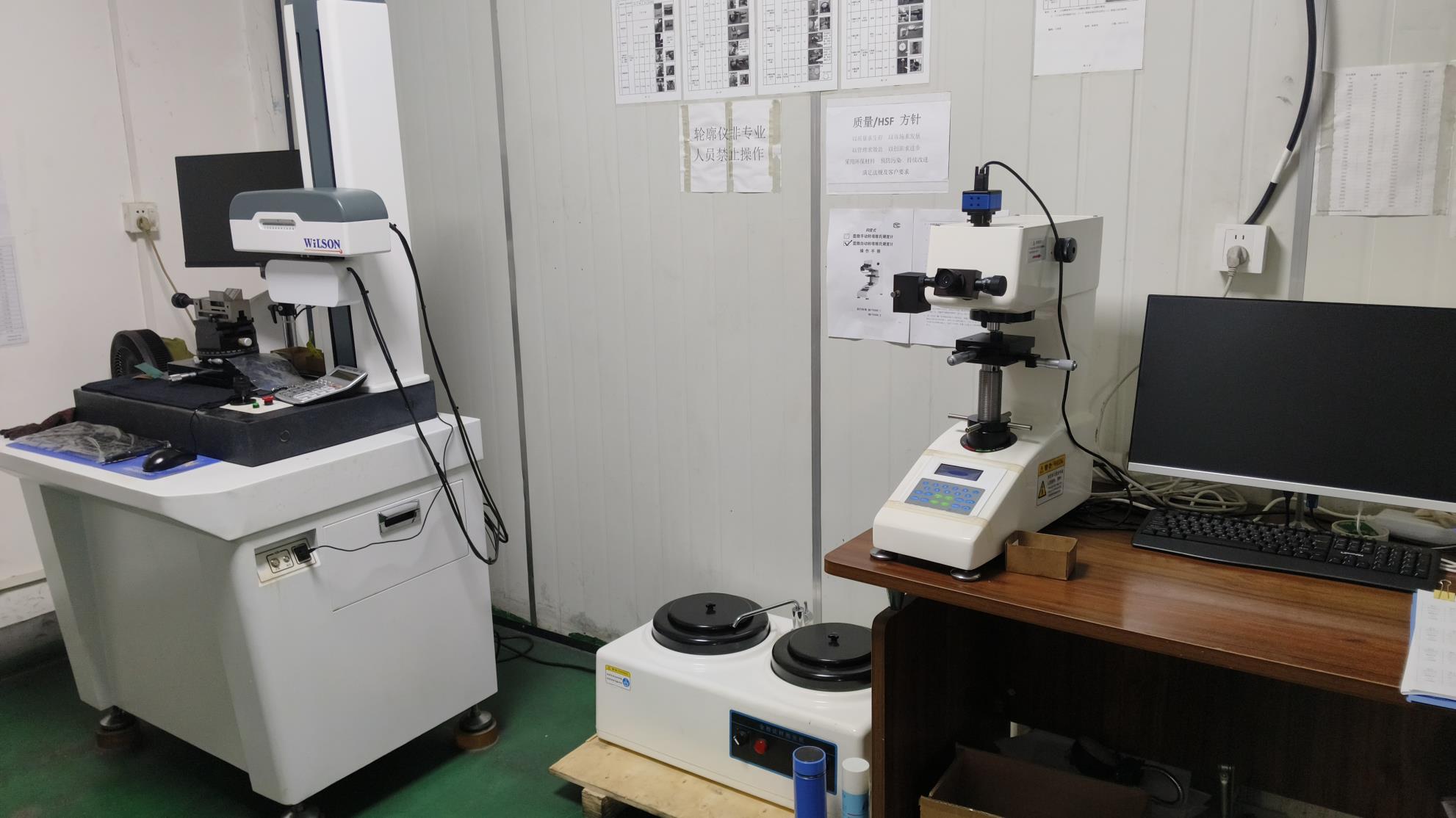
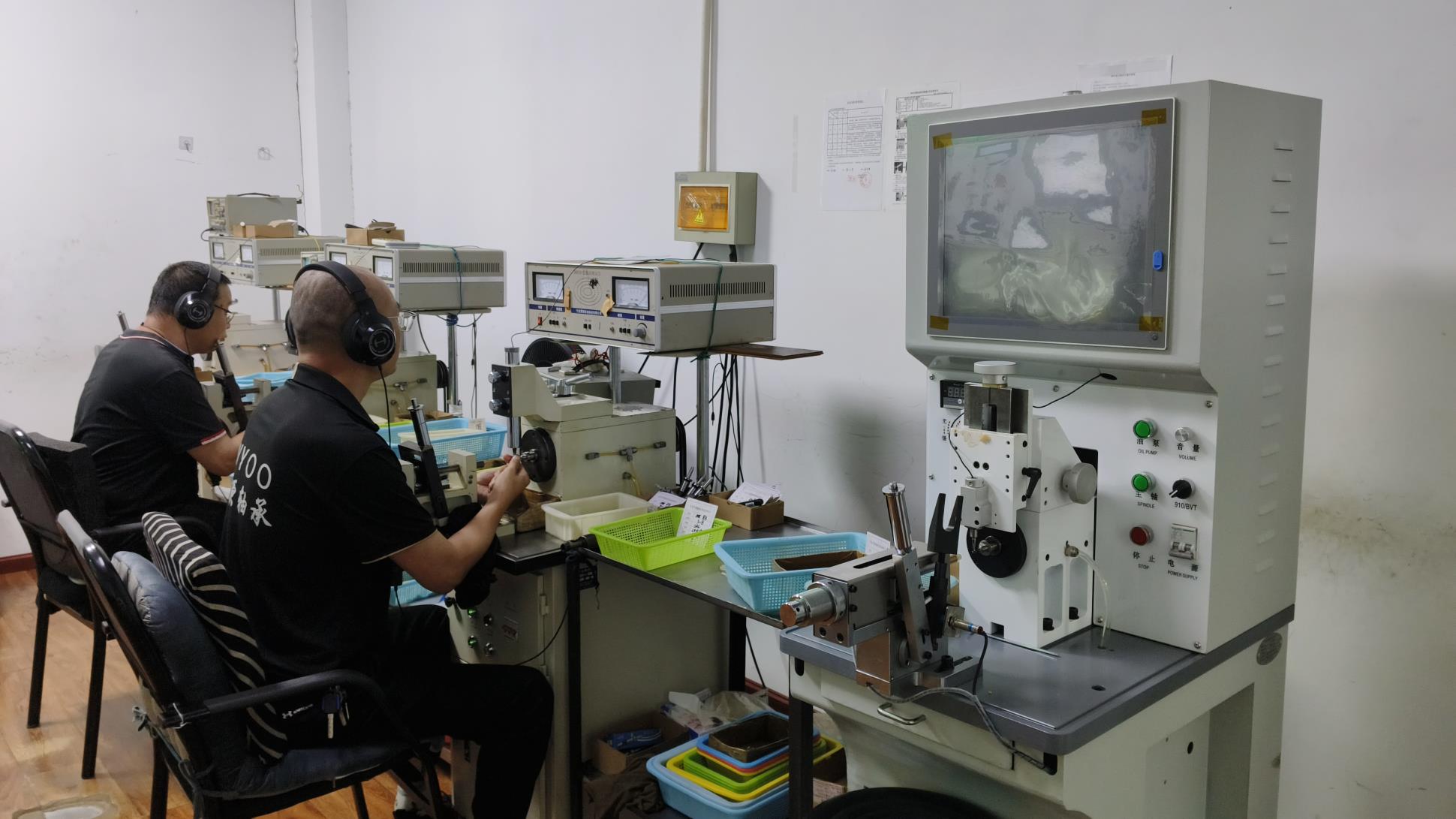
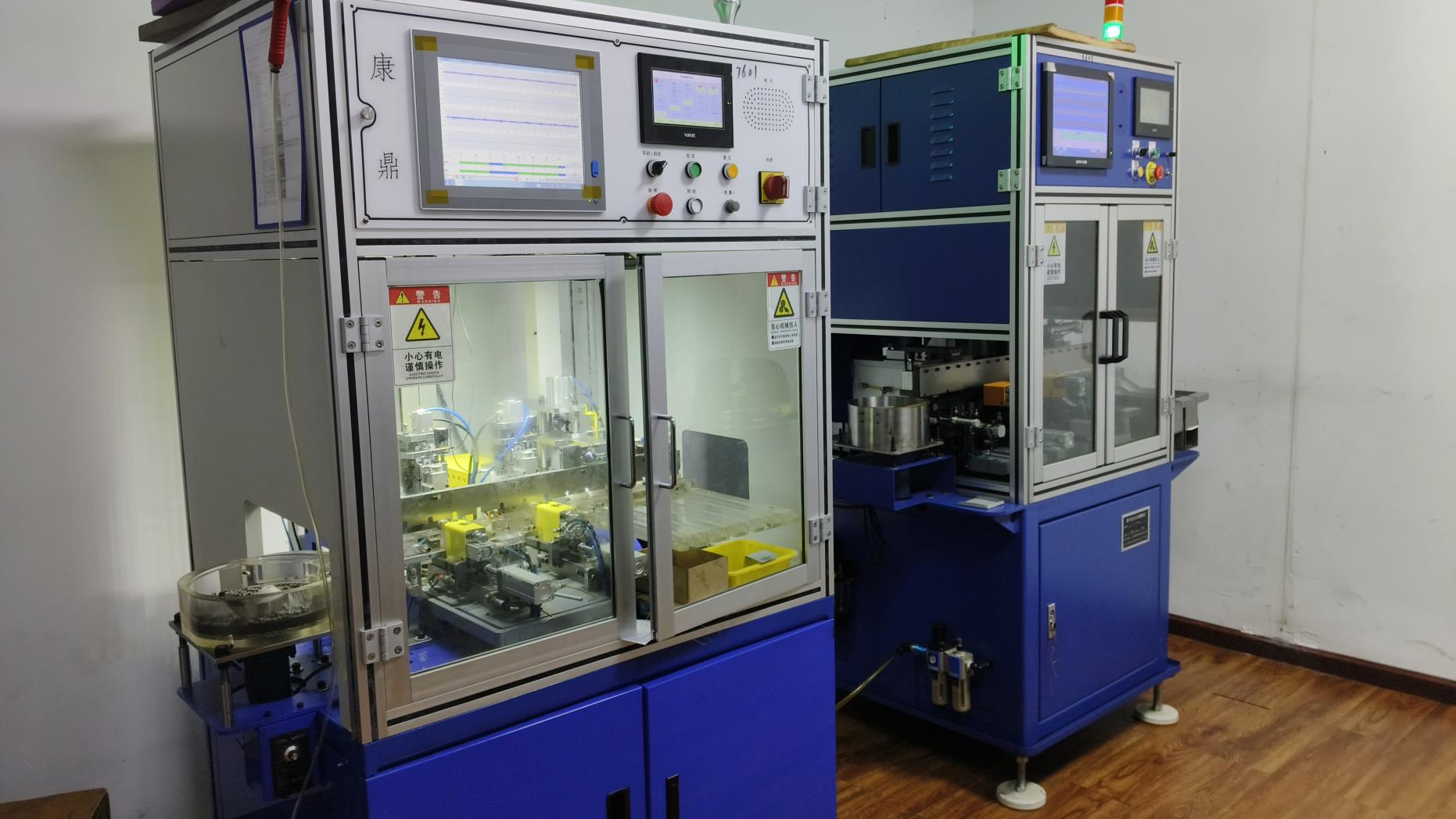
Operating from our state-of-the-art facility in Dongguan, China, we eliminate intermediaries to deliver industrial-grade micro DC motors, speed reducers, and level switch components directly to global OEMs. With over 20 years of manufacturing expertise, we combine automated precision with advanced testing machinery.
Technical Roadmap & Material Science Innovations
As fluid complexity increases, selecting suitable materials and planning for technological shifts is critical to preventing premature component failure.
Advanced Material Engineering
Standard polypropylene (PP) works well for water and dilute acids, but industrial plants require more robust options. Our manufacturing lines support 316L Stainless Steel for high-temperature (up to 200°C) and high-pressure chambers. For highly corrosive organic solvents or oxidizers, we utilize PTFE (Teflon) and PVDF housings. Hermetic sealing using advanced epoxy potting prevents liquid ingress along lead wires, mitigating the risk of short-circuits.
Smart Technology Integration (IoT)
The future of industrial level control is data-driven. We are developing float switches with built-in microprocessors that measure level states and diagnostic data, such as internal resistance and temperature. By integrating these systems with modern protocols like Modbus or IO-Link, operators can monitor sensor health remotely, shift from reactive repairs to predictive maintenance, and prevent costly downtime.