Premium Actuation Solutions for the UK Market
Factory-direct micro servo gears optimized for speed, precision, and reliable torque retention.
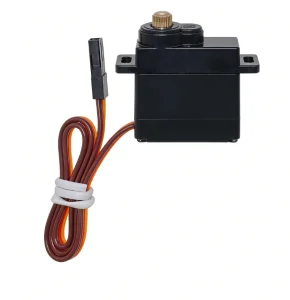
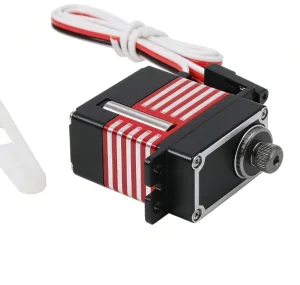
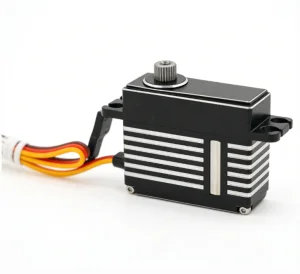
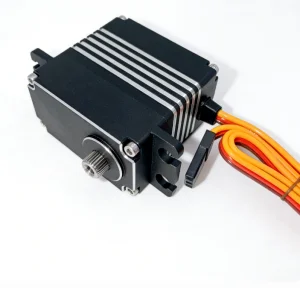
Industry Whitepaper: The Demand for Precision Actuation in the UK Capital
An analysis of micro-motion applications, engineering requirements, and global sourcing solutions.
1. London’s High-Tech Industrial Hub: Micro Actuation Trends
London is recognized globally as a financial capital, but it has quietly established itself as a leading technological hotspot for robotics, medical engineering, and smart logistical automation. The city’s logistics infrastructure—spanning the M25 corridor and major distribution gateways along the Thames Estuary—increasingly relies on automated guided vehicles (AGVs), sorting systems, and robotic arms.
Similarly, London’s medical technology sector (anchored by elite research hospitals in the London Knowledge Quarter) drives the demand for surgical robotics and laboratory automation equipment. These advanced instruments demand micro-sized motors with ultra-low backlash, high repeatability, and rigorous compliance standards. For engineering leads, importing directly from a specialized factory ensures components meet strict geometric and metallurgical specifications.
The UK's commitment to industrial decarbonization also propels the growth of efficient coreless motors. Reduced rotational inertia translates to higher electrical efficiency, aligning with target goals in localized smart city infrastructure, clean transport testing, and high-frequency actuation mechanisms.

2. The Global Supply Chain & E-E-A-T Framework
Procuring engineering components requires an established partner with verified credentials. Under Google’s Search Quality Rater Guidelines, search parameters for physical engineering assemblies prioritize Experience, Expertise, Authoritativeness, and Trustworthiness (E-E-A-T). By cutting out administrative intermediaries, direct factory sourcing from China’s premier manufacturing zones establishes direct lines of communication between UK design engineers and our production leads in Dongguan.
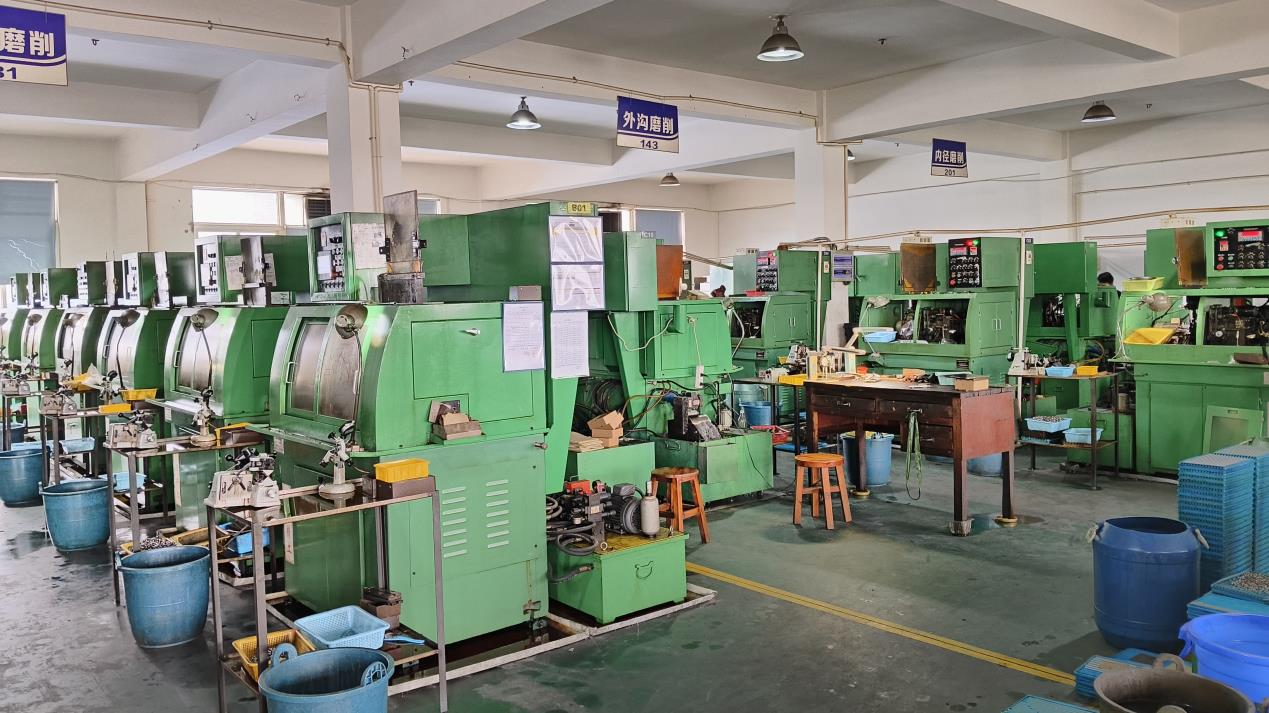
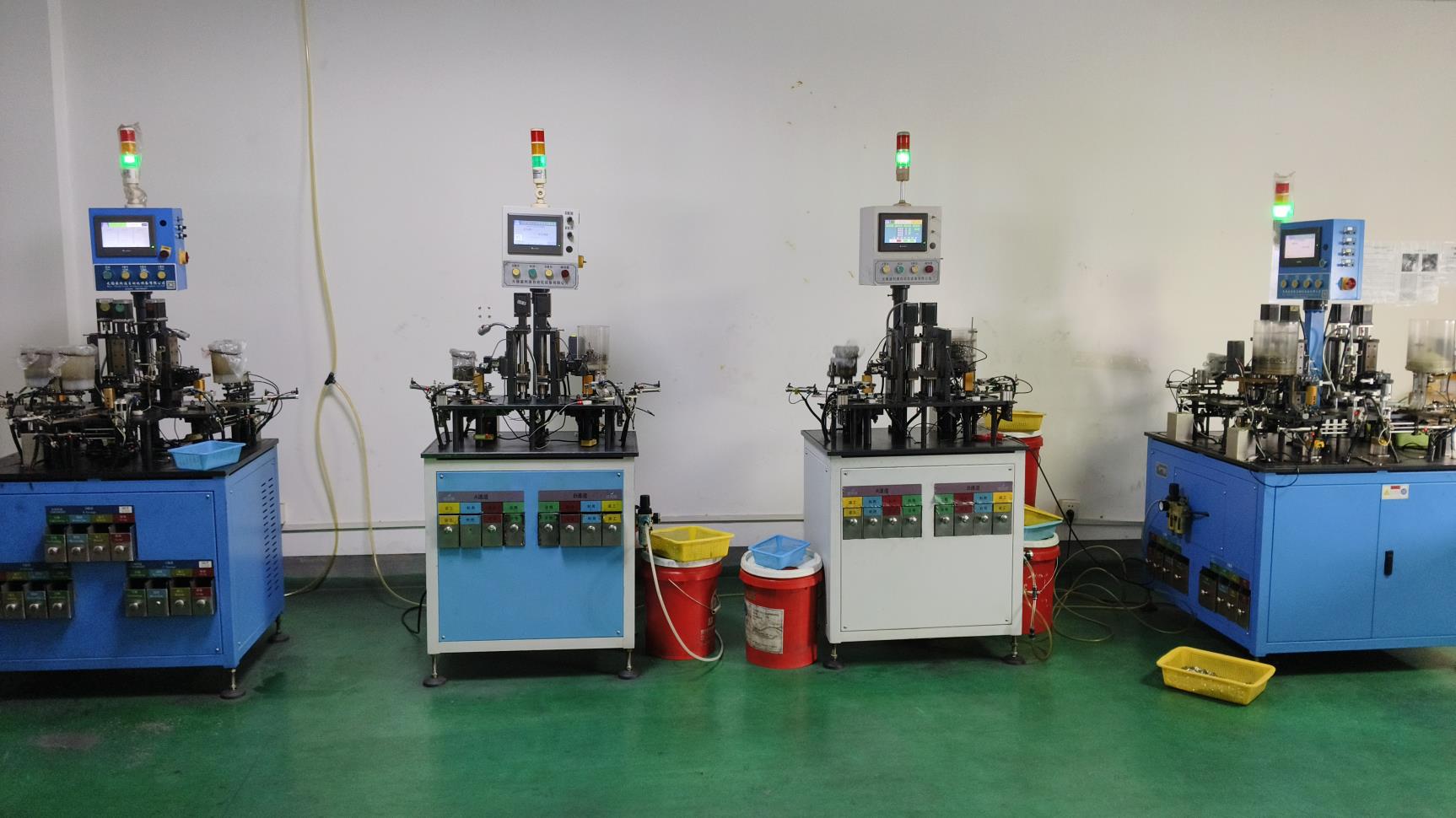
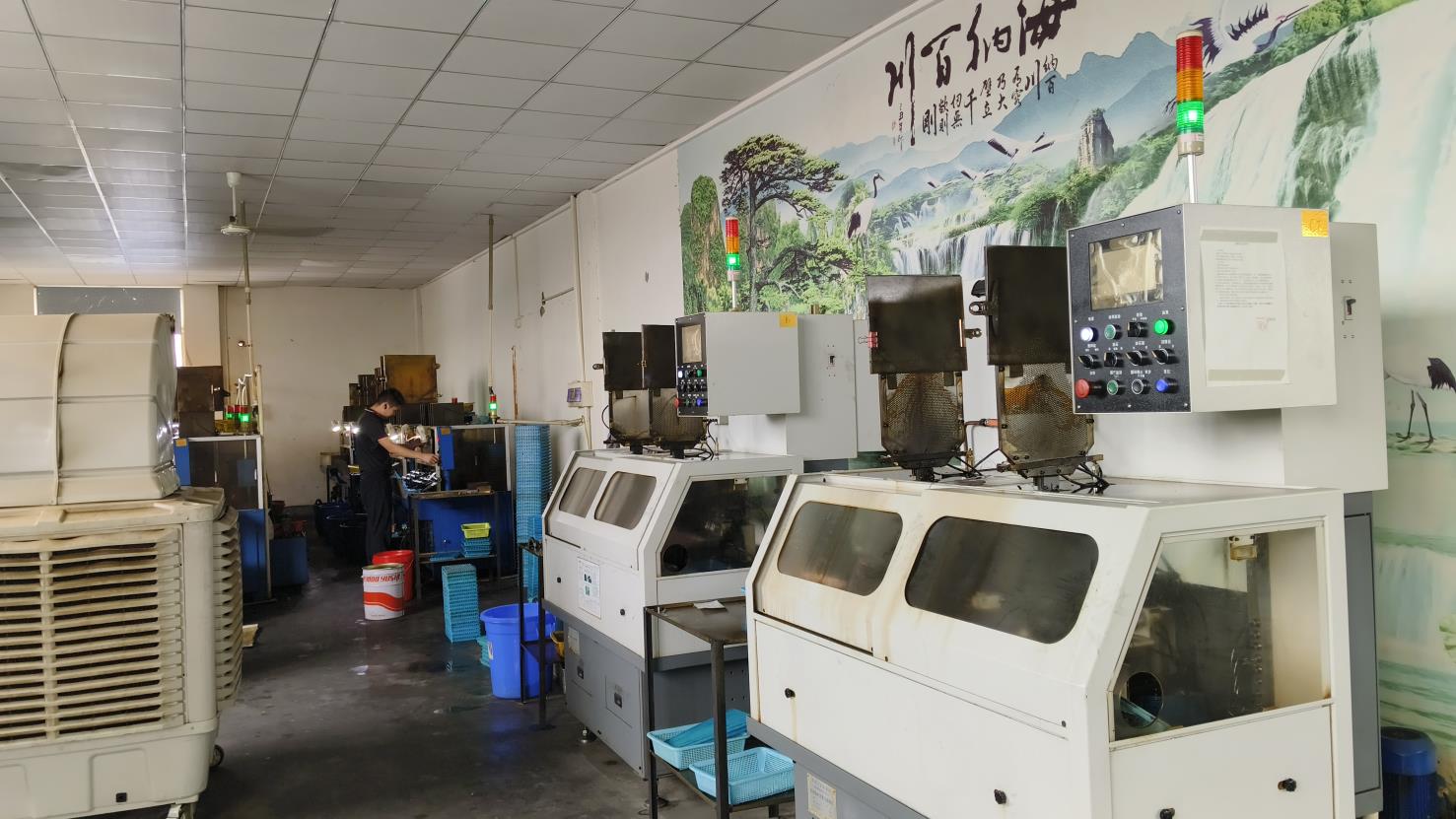
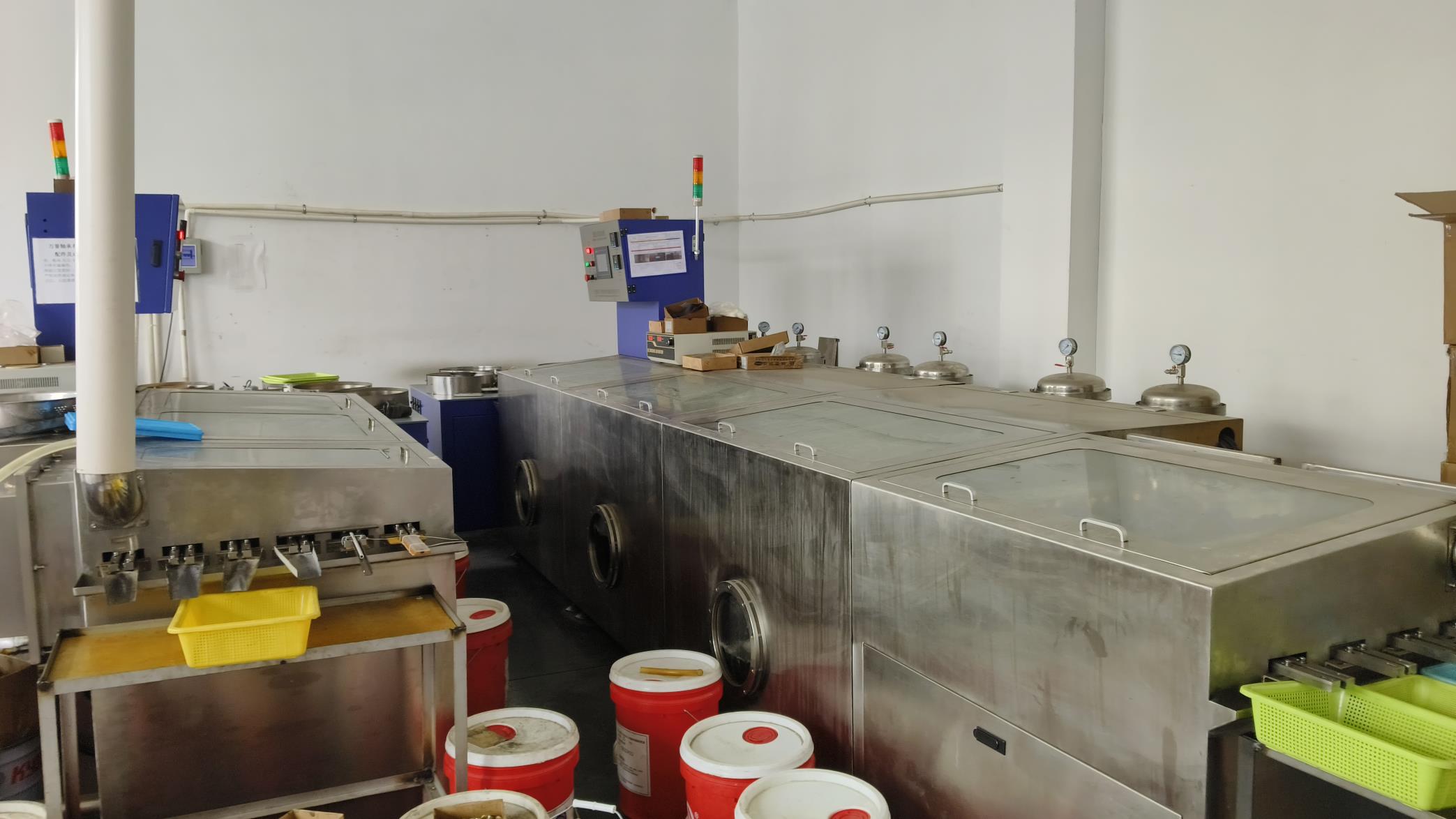
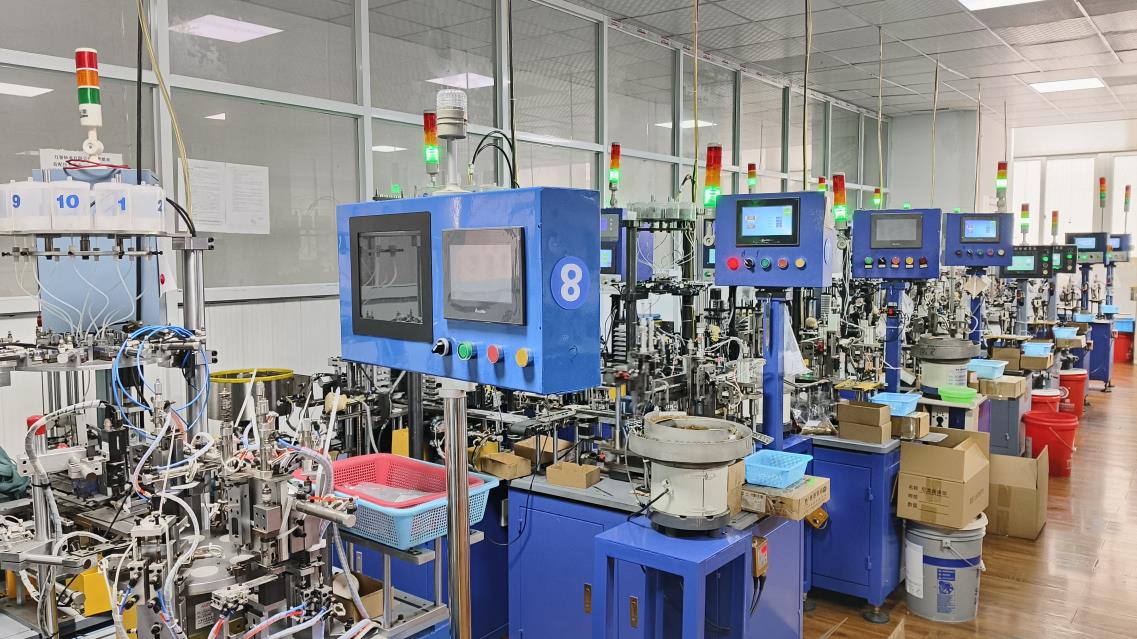
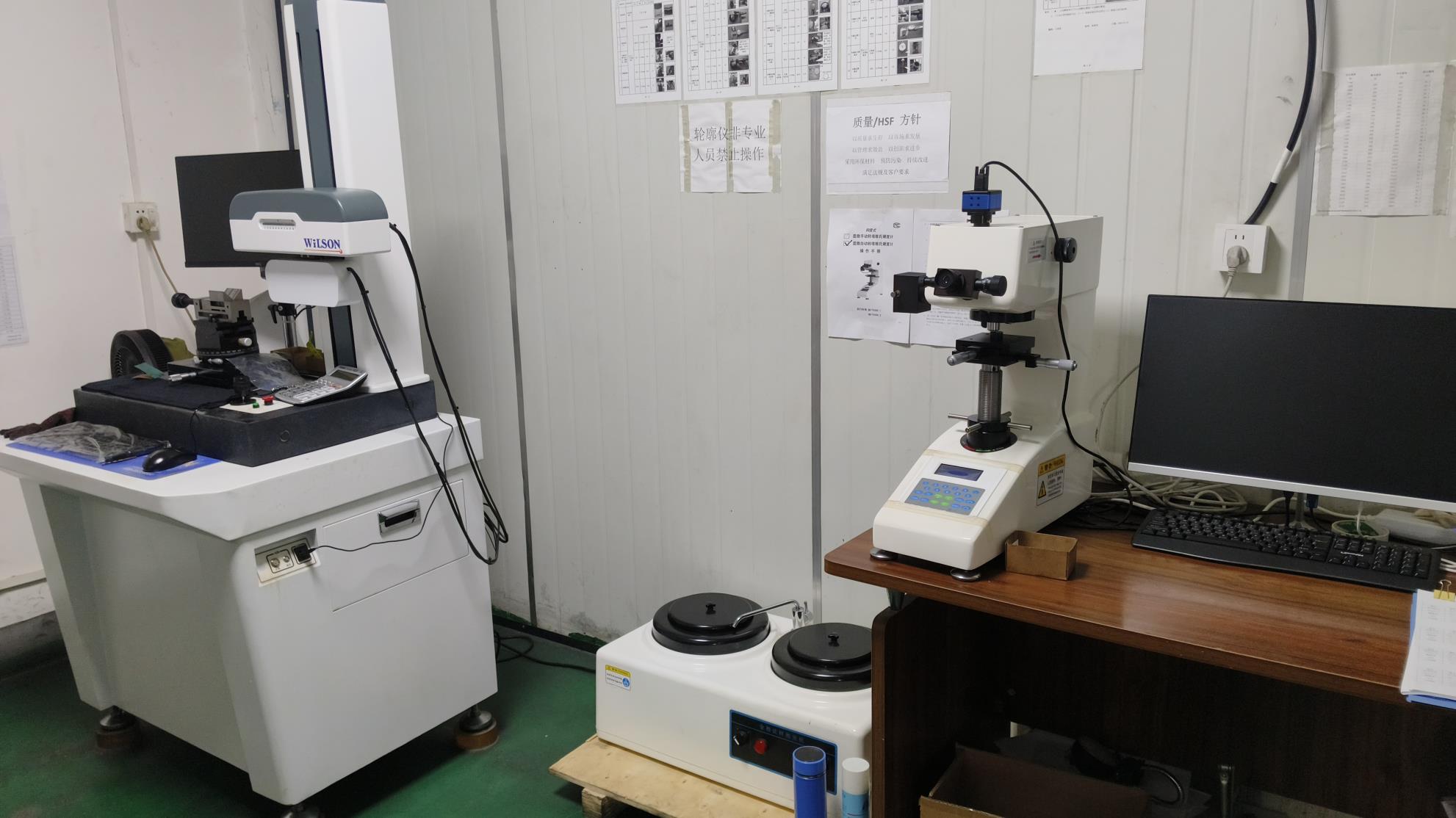
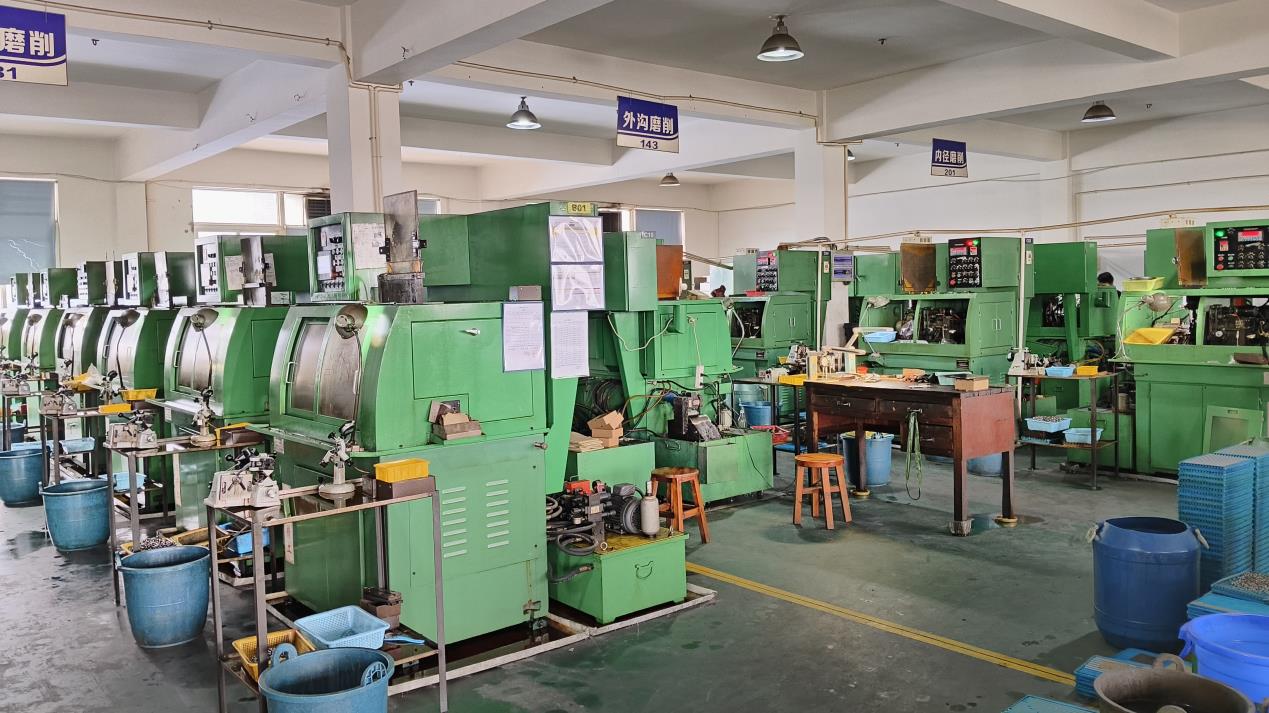
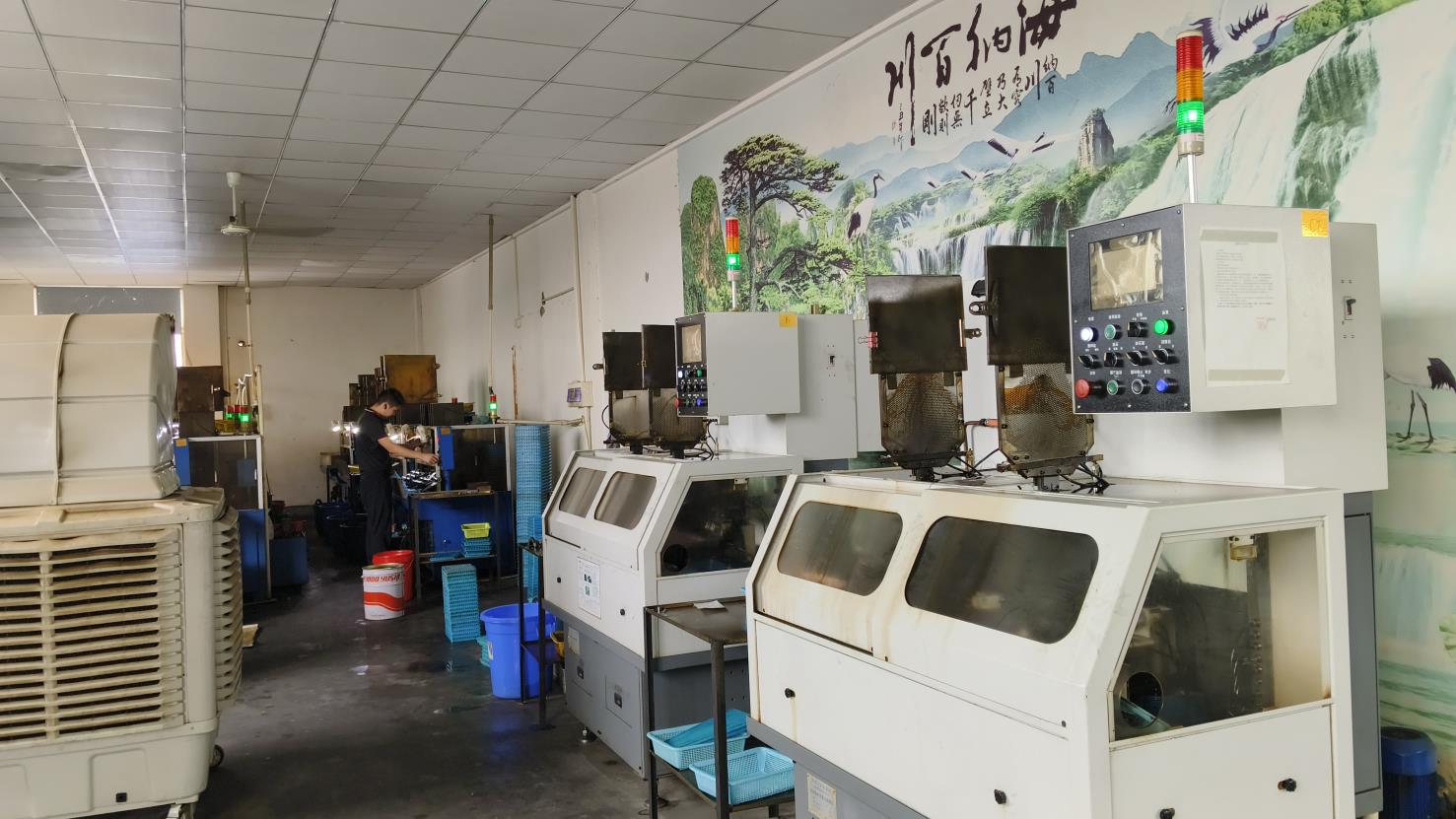
Dongguan AAGE Technology Co., Ltd. represents over two decades of technical expertise, having refined micro motor topologies since 2006. Operating a fully verticalized factory setup with in-house grinding, precision testing, and acoustic analysis guarantees component traceability.
Every product batch is manufactured under strict CE, RoHS, and REACH guidelines, ensuring effortless integration into UKCA-compliant systems. Our factory's geographic proximity to major logistics ports enables rapid air-freight corridors directly to Heathrow, maintaining steady supply chains for rapid prototyping and large-scale manufacturing runs alike.
Manufacturing Compliance Core Matrix
Our supply chain metrics are audited to meet international import criteria:
- ISO 9001:2015: Documented quality system controls across all assembly and machining lines.
- RoHS & REACH: Guaranteeing all plastic, semi-metal, and metal gears are free from restricted substances.
- CE & UKCA Readiness: Safe operation within European and British industrial standards.
- Acoustic Minimization: Every component undergoes decibel verification for environments where sound levels are constrained (e.g. healthcare facilities).
Dongguan AAGE Technology Co., Ltd.
Delivering certified micro DC motor and precision gearbox systems directly from our factory floor.
Leading micro-motor production since 2006, supporting global OEMs.
Every motor and gear set undergoes comprehensive in-house verification.
Direct factory-to-business shipping for competitive commercial pricing.
Rapid prototyping of custom voltages, gear ratios, and torque values.
Industrial and Semimetal Digital Actuators
Engineered for robust mechanical stress, feedback accuracy, and prolonged duty cycles.
Technical Architecture & Materials Engineering
Deep dive into gear geometry, motor configurations, and precision tolerances required by modern automation.
3. The Physics of High-Performance Micro Gears
The mechanical efficiency of a micro geared motor depends primarily on three core attributes: tooth profile consistency, metallurgical alignment, and lubrication retention. When operating in confined spaces, gear design choices dictate the lifespan of the entire assembly:
- Plastic Gear Sets (POM/Polyacetal): Recommended for ultra-lightweight setups (e.g., small UAVs and lightweight medical sensor arrays). Polyacetal gears provide natural self-lubrication, low sound output, and minimal rotational mass, though they are limited in terms of continuous thermal dissipation.
- Semimetal Hybrid Gearboxes: These combine hardened steel or brass driver gears with engineered plastic intermediate gears. This configuration absorbs sudden shock loads while reducing wear on low-torque high-speed stages, striking a balance between longevity and unit weight.
- All-Metal / Hardened Steel Assemblies: Critical for high-torque applications. Using CNC-cut steel or powder metallurgy allows our gear trains to withstand continuous high loads without suffering shear failure. These are ideal for robotic joints and heavy-duty industrial valves.
4. Coreless vs. Iron Core Motor Configurations
Modern micro actuation systems utilize coreless motor configurations to eliminate the physical limitations of traditional iron-core laminations. By replacing the heavy iron rotor with a self-supporting basket-wound copper coil, these motors reduce rotor inertia to nearly zero.
This design eliminates cogging torque, allowing for smooth, continuous rotation and precise positioning at low speeds. When paired with high-strength NdFeB (Neodymium) magnets, our coreless motors deliver excellent torque-to-weight ratios. This makes them highly suitable for applications that require rapid acceleration and deceleration, such as micro-cameras, surgical articulators, and drone steering surfaces.
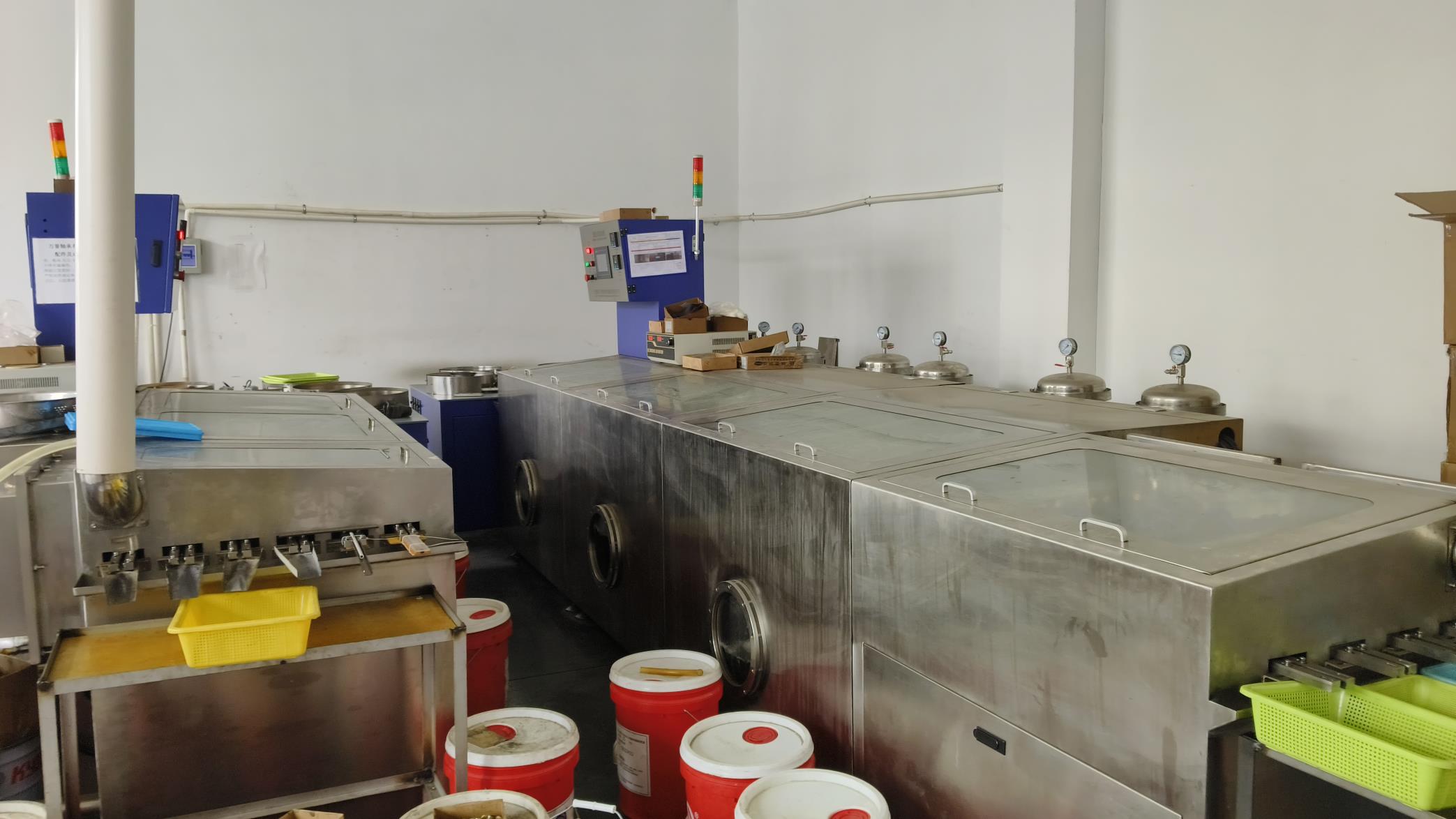
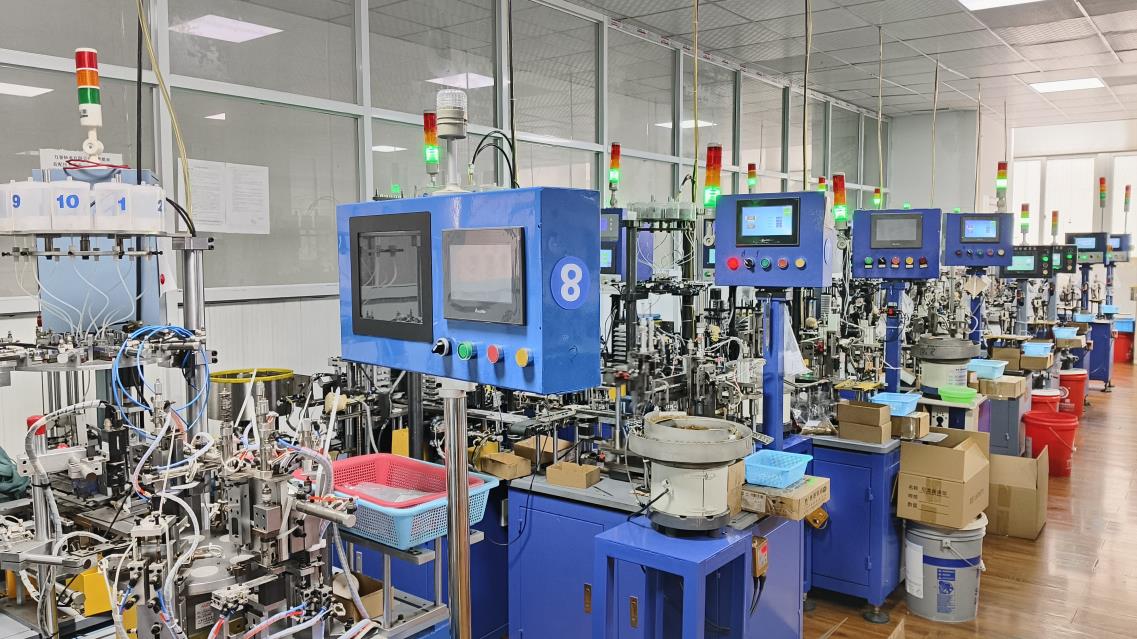
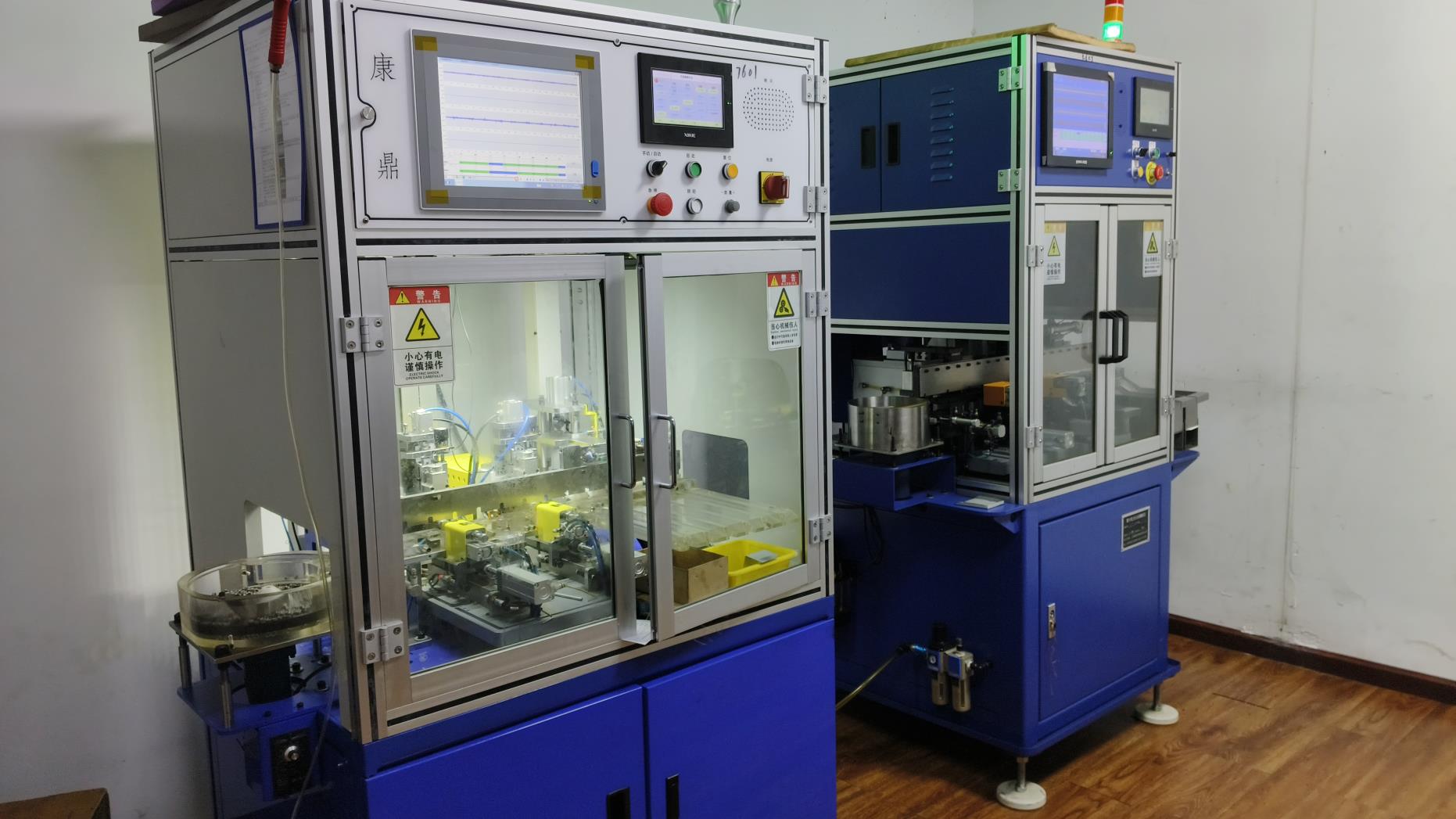
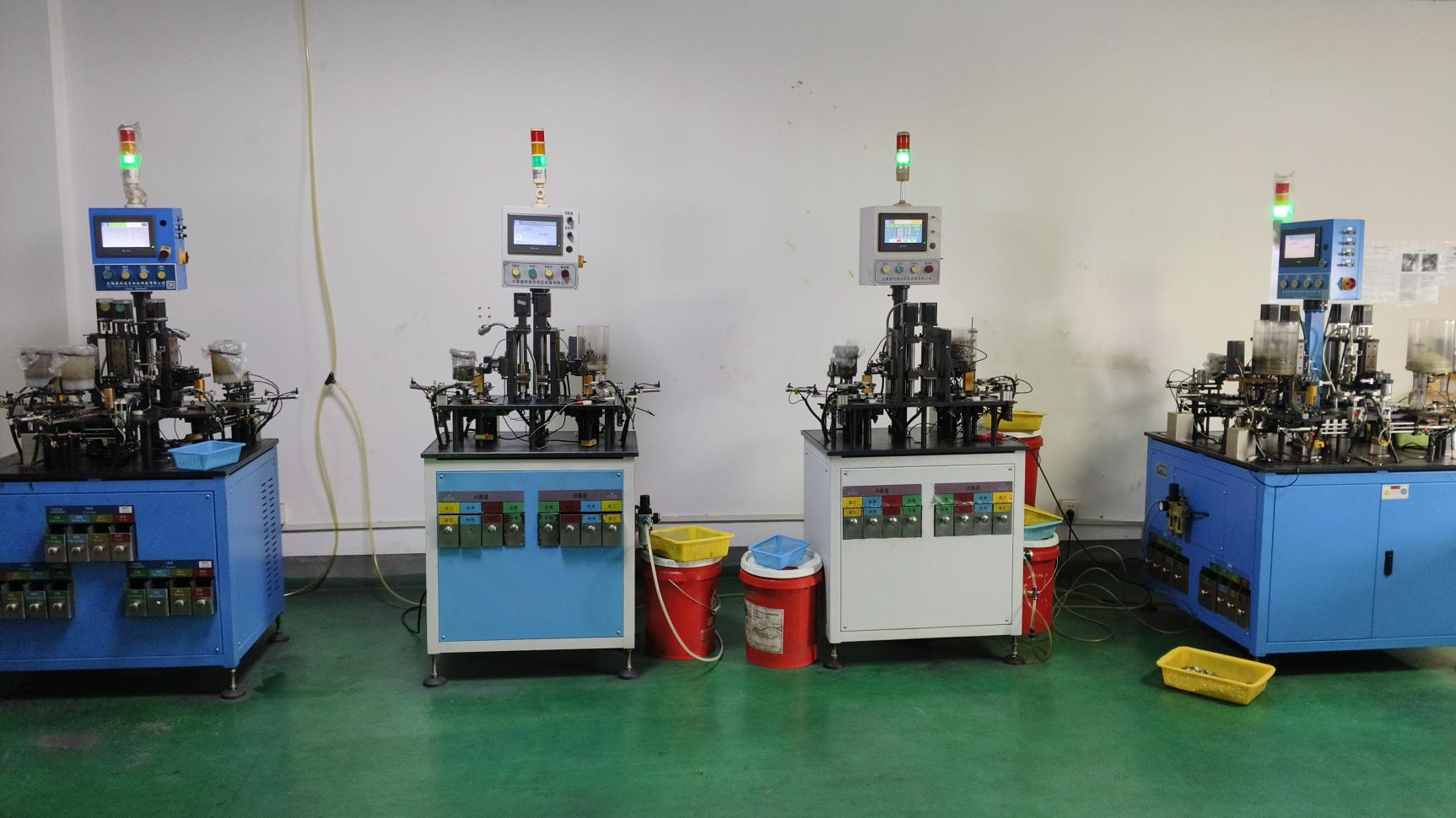
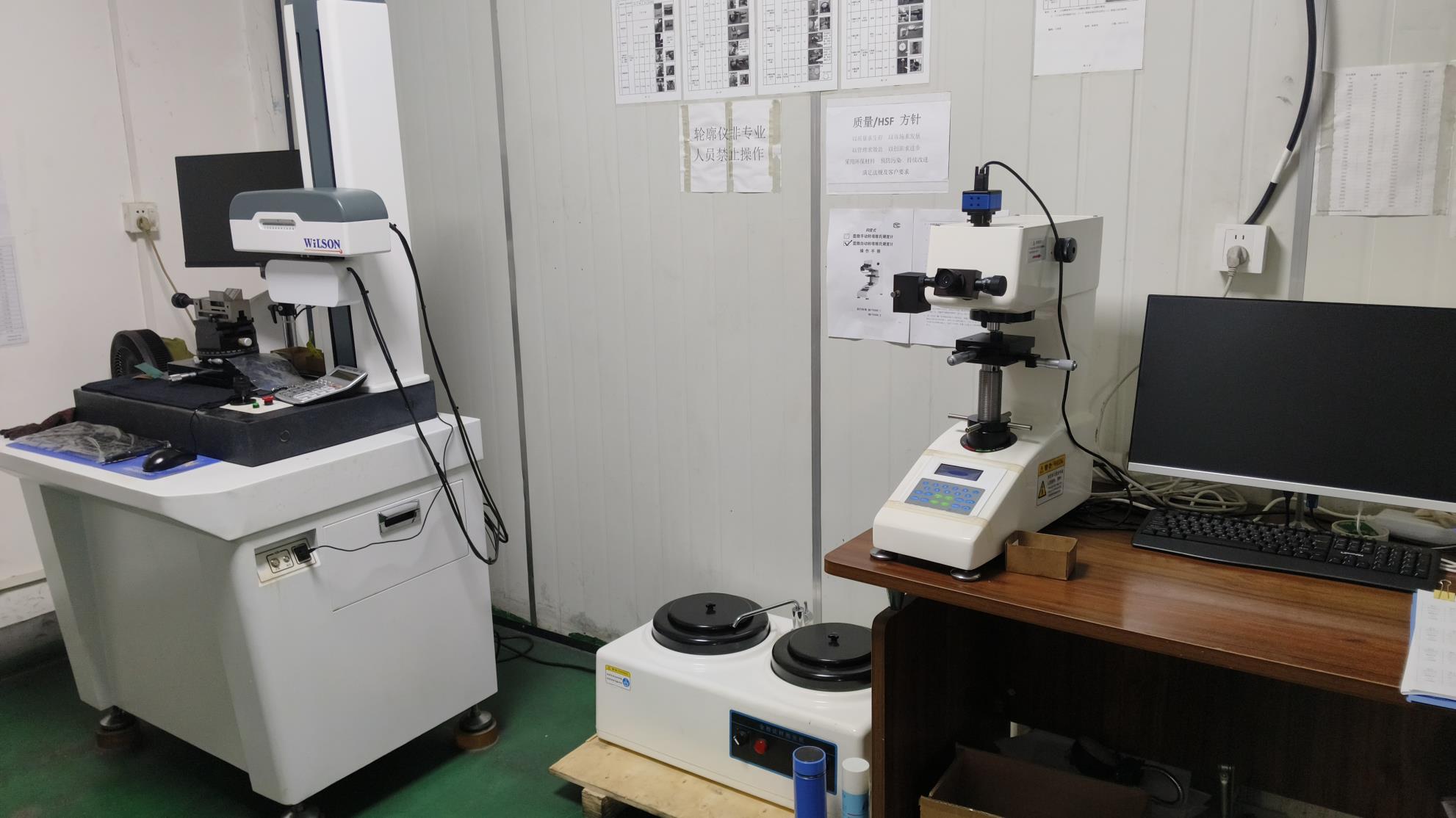
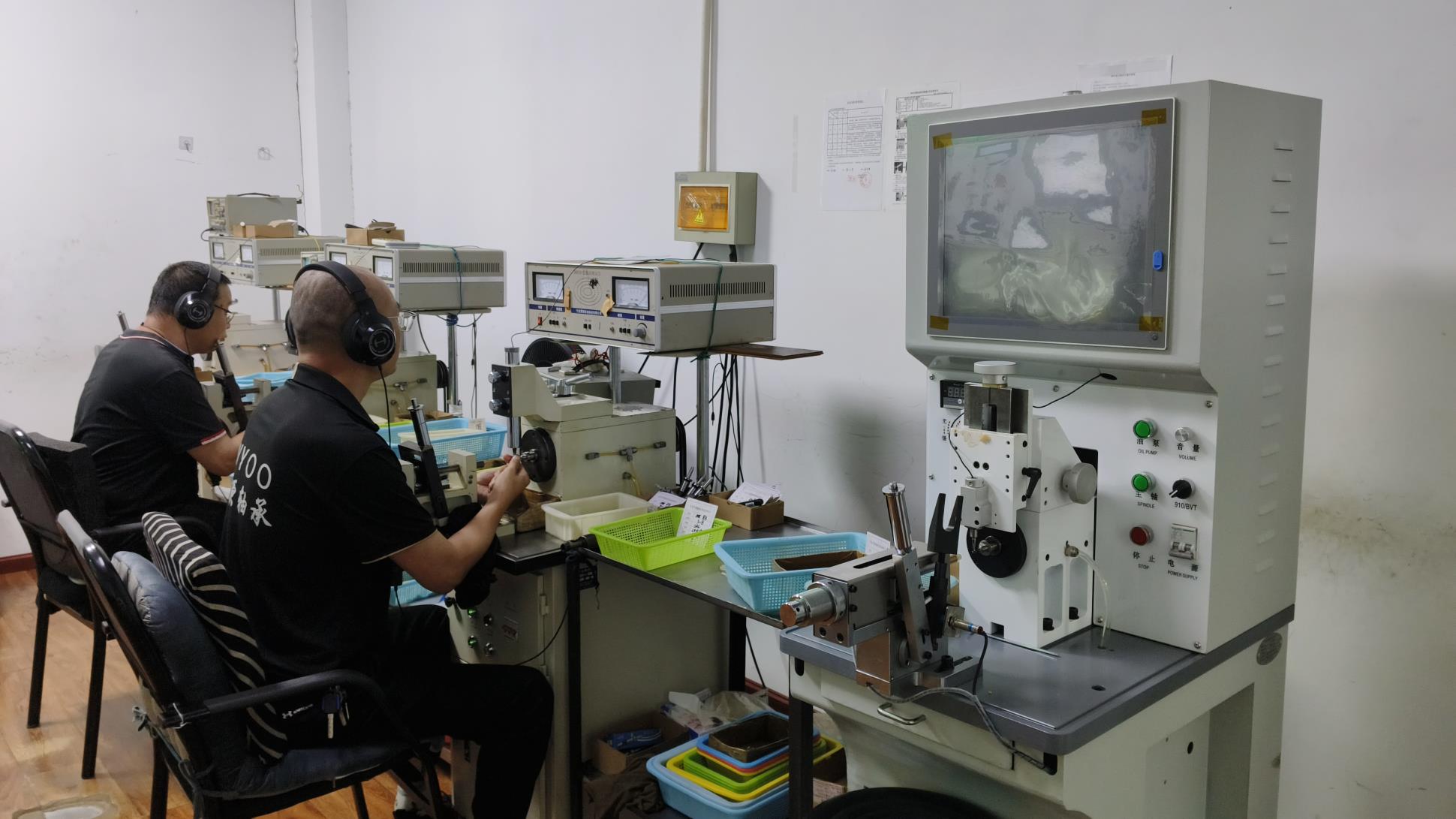
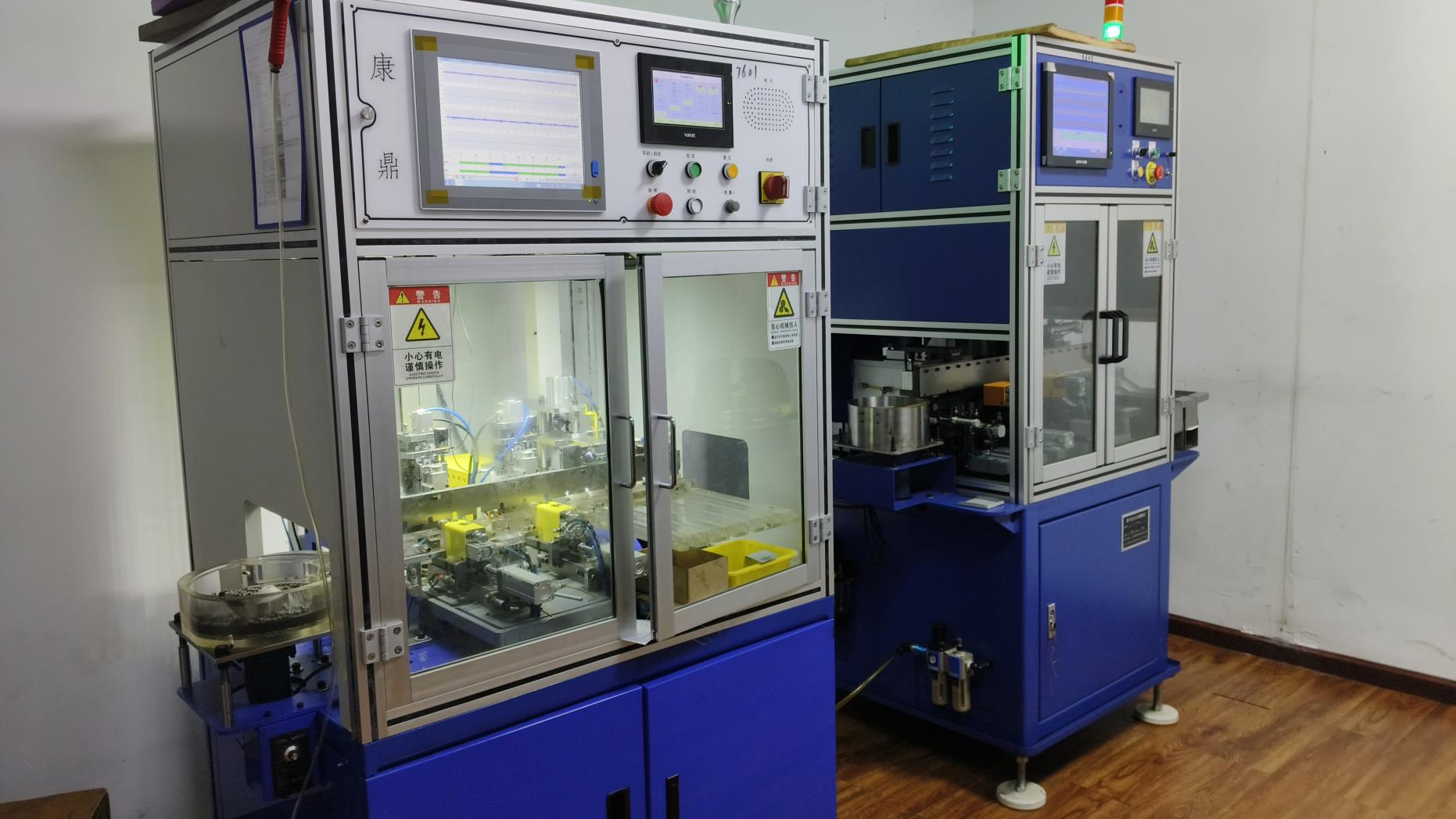
In-House Manufacturing Processes & Quality Control
Every machine, test, and verification step at our facility is optimized to ensure absolute reliability.
Local Application Scenarios & Future Development
Real-world case studies in London’s major business sectors and our technological roadmap.
5. Case Studies: London-Specific Application Deployments
To understand the impact of precision micro-gears, we can look at active deployments across London’s engineering landscape:
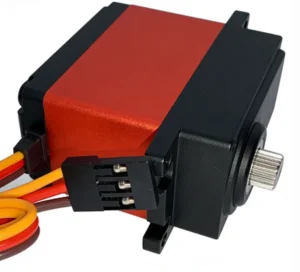
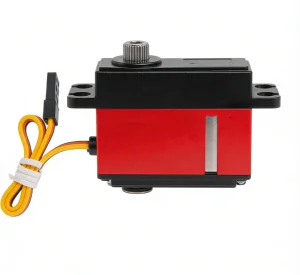
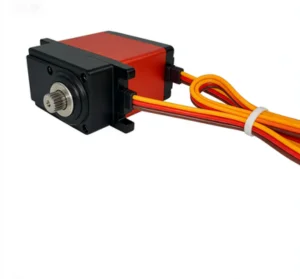
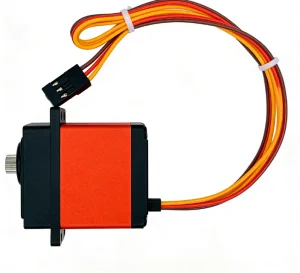
- Automated Warehouses & Intralogistics (Barking & Dagenham Hubs): Modern fulfillment centers utilize mini-shuttles and multi-axis sorting systems. Integrating our high-torque, all-metal 35kg and 75kg digital servos allows these distribution networks to run 24/7. This minimizes downtime caused by gear shear during high-frequency stop-and-go movements.
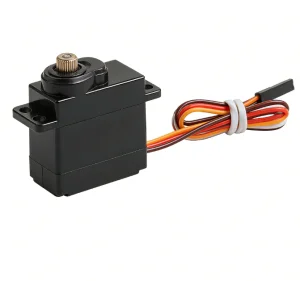
- Surgical Assist Instruments (Harley Street & Bloomsbury Labs): Micro-actuation devices require smooth, lag-free control loop feedback. By using our XS003A coreless mini servos, medical design engineers achieve sub-millimeter positioning accuracy, low electromagnetic interference (EMI), and reduced operating noise levels.
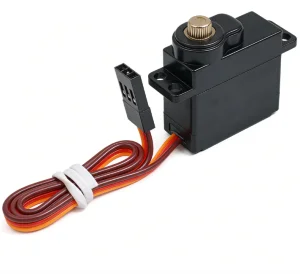
- Environmental Survey UAVs (Thames Estuary Projects): Compact fixed-wing and multi-rotor drones require lightweight aerodynamic surface controllers. Our plastic 9g servo configurations provide the necessary responsiveness with minimal impact on flight weight. This extends battery operational life.
6. Technological Roadmap & Micro-Motion Future
As precision demands increase, the micro-motor industry is moving toward smarter, integrated systems. Our engineering department is focusing on three main development paths:
First, integrating magnetic encoders directly onto the motor shaft to provide high-resolution positional feedback without increasing overall length. This is crucial for collaborative robots (cobots) that require immediate torque feedback to work safely alongside human operators.
Second, refining metal injection molding (MIM) processes. This allows our factory to produce complex gear shapes with tolerances below 5 microns. This manufacturing technique reduces internal friction, improves overall system efficiency, and extends lifetime expectancies under load.
Third, developing intelligent communication protocols (such as RS485 and CAN-open) within our micro digital servos. This allows for real-time diagnostic reporting on temperature, current load, and gear wear, paving the way for predictive maintenance programs in large-scale industrial setups.
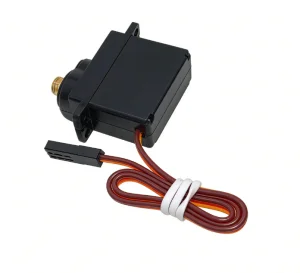
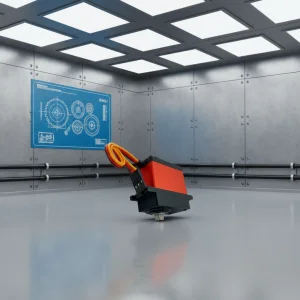
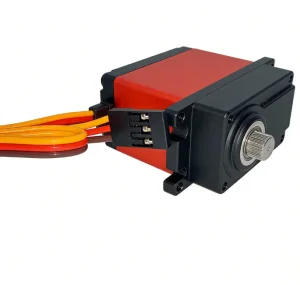
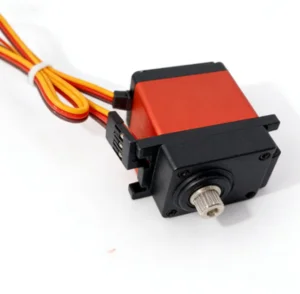
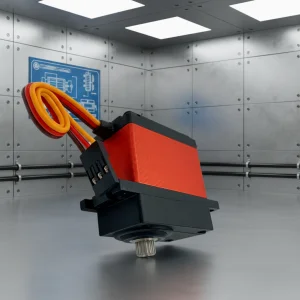
High-Torque & Special-Purpose Servo Motors
Explore our complete catalog of industrial-grade micro actuators, with complete technical documentation.
Expert Engineering FAQ
Technical answers to help engineers evaluate, select, and import precision micro-actuation systems.
What factors dictate the choosing of plastic vs. metal gears in micro servos?
It depends on the application's budget, weight limits, and mechanical stress levels. Plastic gears (such as POM) work well for lightweight systems that require low noise, like drones or educational robotics. Semimetal or all-metal gears are necessary for high-load systems (such as 35kg or 75kg servos) where mechanical resistance, impact protection, and heat dissipation are critical to prevent gear failure.
How do coreless motors benefit high-frequency positioning systems?
Coreless motors replace the traditional iron core rotor with a lightweight, basket-wound copper coil. This reduces rotor inertia and eliminates cogging torque, allowing for smooth rotation, quick acceleration, and fast response times. This design is highly beneficial for precision applications such as medical equipment and UAV control surfaces.
What certifications apply to components imported into the UK?
Components imported into the UK must comply with RoHS and REACH environmental guidelines. For industrial assemblies and finished products, CE and UKCA marks are required. Dongguan AAGE Technology Co., Ltd. ensures that all raw materials and manufacturing runs comply with these standards, providing the necessary documentation to clear customs smoothly.
What customization options are available for OEM applications?
We offer customizations for operating voltage (ranging from 4.8V to 12V+), gear ratios, output shaft lengths and spline configurations, wiring harnesses, connectors, and mounting brackets. We can also modify firmware parameters in our digital servos to support specific communication protocols or positioning ranges.
How does the factory control acoustic noise in micro gears?
We control noise by using ultra-precision grinding machines to maintain precise tooth profiles, keeping gear clearance within close tolerances. Our assembly lines are supported by automated decibel testing chambers, verifying that every motor meets quiet-operation standards before packaging.
What is the standard lead time for prototype and volume runs?
Prototype samples are typically prepared within 7 to 15 days, depending on the level of customization. High-volume commercial orders are completed in 25 to 35 days. We work with international express services and sea freight carriers to coordinate timely delivery to UK ports and airports.